
Research ArticleInflammationNephrologyVascular biology
Open Access |  10.1172/jci.insight.195176
LYVE1 ectodomain shedding blunts lymphatic transmigration and clearance of macrophages during kidney injury
Jing Liu,1,2 Yuqing Liu,1 Wenqian Zhou,1 Saiya Zhu,1 Jianyong Zhong,2 Haichun Yang,2 Annet Kirabo,3 Valentina Kon,2 and Chen Yu1
1Department of Nephrology, Tongji Hospital, School of Medicine, Tongji University, Putuo District, Shanghai, China.
2Department of Pediatrics and
3Department of Medicine, Vanderbilt University Medical Center, Nashville, Tennessee, USA.
Address correspondence to: Chen Yu, Department of Nephrology, Tongji Hospital, School of Medicine, Tongji University, No. 389 Xincun Road, Putuo District, Shanghai 200092, China. Email: yuchen@tongji.edu.cn. Or to: Valentina Kon, Department of Pediatrics, Vanderbilt University Medical Center, C4209 Medical Center North, 1161 21st Avenue South, Nashville, Tennessee 37232, USA. Email: valentina.kon@vumc.org.
Find articles by Liu, J. in: PubMed | Google Scholar
1Department of Nephrology, Tongji Hospital, School of Medicine, Tongji University, Putuo District, Shanghai, China.
2Department of Pediatrics and
3Department of Medicine, Vanderbilt University Medical Center, Nashville, Tennessee, USA.
Address correspondence to: Chen Yu, Department of Nephrology, Tongji Hospital, School of Medicine, Tongji University, No. 389 Xincun Road, Putuo District, Shanghai 200092, China. Email: yuchen@tongji.edu.cn. Or to: Valentina Kon, Department of Pediatrics, Vanderbilt University Medical Center, C4209 Medical Center North, 1161 21st Avenue South, Nashville, Tennessee 37232, USA. Email: valentina.kon@vumc.org.
Find articles by Liu, Y. in: PubMed | Google Scholar
1Department of Nephrology, Tongji Hospital, School of Medicine, Tongji University, Putuo District, Shanghai, China.
2Department of Pediatrics and
3Department of Medicine, Vanderbilt University Medical Center, Nashville, Tennessee, USA.
Address correspondence to: Chen Yu, Department of Nephrology, Tongji Hospital, School of Medicine, Tongji University, No. 389 Xincun Road, Putuo District, Shanghai 200092, China. Email: yuchen@tongji.edu.cn. Or to: Valentina Kon, Department of Pediatrics, Vanderbilt University Medical Center, C4209 Medical Center North, 1161 21st Avenue South, Nashville, Tennessee 37232, USA. Email: valentina.kon@vumc.org.
Find articles by Zhou, W. in: PubMed | Google Scholar
1Department of Nephrology, Tongji Hospital, School of Medicine, Tongji University, Putuo District, Shanghai, China.
2Department of Pediatrics and
3Department of Medicine, Vanderbilt University Medical Center, Nashville, Tennessee, USA.
Address correspondence to: Chen Yu, Department of Nephrology, Tongji Hospital, School of Medicine, Tongji University, No. 389 Xincun Road, Putuo District, Shanghai 200092, China. Email: yuchen@tongji.edu.cn. Or to: Valentina Kon, Department of Pediatrics, Vanderbilt University Medical Center, C4209 Medical Center North, 1161 21st Avenue South, Nashville, Tennessee 37232, USA. Email: valentina.kon@vumc.org.
Find articles by Zhu, S. in: PubMed | Google Scholar
1Department of Nephrology, Tongji Hospital, School of Medicine, Tongji University, Putuo District, Shanghai, China.
2Department of Pediatrics and
3Department of Medicine, Vanderbilt University Medical Center, Nashville, Tennessee, USA.
Address correspondence to: Chen Yu, Department of Nephrology, Tongji Hospital, School of Medicine, Tongji University, No. 389 Xincun Road, Putuo District, Shanghai 200092, China. Email: yuchen@tongji.edu.cn. Or to: Valentina Kon, Department of Pediatrics, Vanderbilt University Medical Center, C4209 Medical Center North, 1161 21st Avenue South, Nashville, Tennessee 37232, USA. Email: valentina.kon@vumc.org.
Find articles by
Zhong, J.
in:
PubMed
|
Google Scholar
|

1Department of Nephrology, Tongji Hospital, School of Medicine, Tongji University, Putuo District, Shanghai, China.
2Department of Pediatrics and
3Department of Medicine, Vanderbilt University Medical Center, Nashville, Tennessee, USA.
Address correspondence to: Chen Yu, Department of Nephrology, Tongji Hospital, School of Medicine, Tongji University, No. 389 Xincun Road, Putuo District, Shanghai 200092, China. Email: yuchen@tongji.edu.cn. Or to: Valentina Kon, Department of Pediatrics, Vanderbilt University Medical Center, C4209 Medical Center North, 1161 21st Avenue South, Nashville, Tennessee 37232, USA. Email: valentina.kon@vumc.org.
Find articles by
Yang, H.
in:
PubMed
|
Google Scholar
|
1Department of Nephrology, Tongji Hospital, School of Medicine, Tongji University, Putuo District, Shanghai, China.
2Department of Pediatrics and
3Department of Medicine, Vanderbilt University Medical Center, Nashville, Tennessee, USA.
Address correspondence to: Chen Yu, Department of Nephrology, Tongji Hospital, School of Medicine, Tongji University, No. 389 Xincun Road, Putuo District, Shanghai 200092, China. Email: yuchen@tongji.edu.cn. Or to: Valentina Kon, Department of Pediatrics, Vanderbilt University Medical Center, C4209 Medical Center North, 1161 21st Avenue South, Nashville, Tennessee 37232, USA. Email: valentina.kon@vumc.org.
Find articles by
Kirabo, A.
in:
PubMed
|
Google Scholar
|
1Department of Nephrology, Tongji Hospital, School of Medicine, Tongji University, Putuo District, Shanghai, China.
2Department of Pediatrics and
3Department of Medicine, Vanderbilt University Medical Center, Nashville, Tennessee, USA.
Address correspondence to: Chen Yu, Department of Nephrology, Tongji Hospital, School of Medicine, Tongji University, No. 389 Xincun Road, Putuo District, Shanghai 200092, China. Email: yuchen@tongji.edu.cn. Or to: Valentina Kon, Department of Pediatrics, Vanderbilt University Medical Center, C4209 Medical Center North, 1161 21st Avenue South, Nashville, Tennessee 37232, USA. Email: valentina.kon@vumc.org.
Find articles by Kon, V. in: PubMed | Google Scholar
1Department of Nephrology, Tongji Hospital, School of Medicine, Tongji University, Putuo District, Shanghai, China.
2Department of Pediatrics and
3Department of Medicine, Vanderbilt University Medical Center, Nashville, Tennessee, USA.
Address correspondence to: Chen Yu, Department of Nephrology, Tongji Hospital, School of Medicine, Tongji University, No. 389 Xincun Road, Putuo District, Shanghai 200092, China. Email: yuchen@tongji.edu.cn. Or to: Valentina Kon, Department of Pediatrics, Vanderbilt University Medical Center, C4209 Medical Center North, 1161 21st Avenue South, Nashville, Tennessee 37232, USA. Email: valentina.kon@vumc.org.
Find articles by Yu, C. in: PubMed | Google Scholar
Published January 26, 2026 - More info
JCI Insight. 2026;11(5):e195176. https://doi.org/10.1172/jci.insight.195176.
© 2026 Liu et al. This work is licensed under the Creative Commons Attribution 4.0 International License. To view a copy of this license, visit http://creativecommons.org/licenses/by/4.0/.
Received: April 30, 2025; Accepted: January 14, 2026


-
Results
Increased LYVE1 ectodomain shedding in the fibrotic kidney. In view of our findings that patients with kidney fibrosis have elevated levels of serum soluble LYVE1 (37), we undertook studies to investigate the effects of kidney injury on LYVE1 ectodomain shedding in 3 distinct mouse models of kidney fibrosis. The UUO model demonstrates rapid progression of tubular atrophy, matrix deposition, and fibrosis that mirrors the sequence of fibrotic events seen in humans (38, 39). The I/R model illustrates the transition from acute to chronic kidney injury and includes the key features of interstitial fibrosis (40). The patchy interstitial fibrosis that characterizes folic acid–induced (FA-induced) nephropathy is used to simultaneously assess the fibrotic and non-fibrotic regions within the same kidney (41, 42). This provides a versatile framework to examine chronic kidney diseases (40, 43). Each model exhibited prominent fibrotic characteristics with increased expression of fibronectin (FN), collagen I (Col I), and α-smooth muscle actin (α-SMA), and interstitial fibrosis (Figure 1, A–D, and Supplemental Figure 1, A–C; supplemental material available online with this article; https://doi.org/10.1172/jci.insight.195176DS1). We used two LYVE1 antibodies, one targeting the intracellular fragment, Cyto-LYVE1, and the other targeting the extracellular fragment, including both full-length (75 kDa) and cleaved soluble fragment (50 kDa). Each of the fibrosis models showed a significant increase in the Cyto-LYVE1 fragment (Figure 1, A–C), consistent with LV expansion extensively documented following kidney injury and disease (16, 21, 44–46). LYVE1 Western blot also showed decreased full-length LYVE1 and increased cleaved soluble fragment in each of the fibrosis models (Figure 1, A–C). Immunofluorescent staining of uninjured kidneys of normal mice consistently demonstrated colocalization of soluble LYVE1 and Cyto-LYVE1. In contrast, the fibrotic kidneys had significantly reduced expression of soluble LYVE1 compared with Cyto-LYVE1 (Figure 1E). The fibrotic and non-fibrotic regions were characterized by periodic acid–Schiff staining, and increased LYVE1 shedding was observed in fibrotic regions compared with non-fibrotic regions of the same kidney in the FA injury model (Figure 1F). Western blot analysis of total kidney lysates demonstrated increased cytoplasmic LYVE1 in fibrotic kidneys, findings that are in line with the increased number of LVs as confirmed by podoplanin (PDPN) Western blot and immunostaining in whole kidneys (Figure 2, A–D). In contrast, immunofluorescence images shown in Figure 1E were designed to compare LYVE1 localization at the single-vessel level within a distinct microenvironment. These images reveal that LVs located in fibrotic regions displayed a clear loss of ectodomain LYVE1 staining despite preserved cytoplasmic LYVE1 signal. This localized pattern suggests that ectodomain LYVE1 is preferentially shed from LVs within fibrotic areas, while total cytoplasmic LYVE1 levels remain elevated at the whole-kidney level reflecting increased LV density in the diseased kidney.
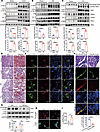 Figure 1
Lymphatic vessel LYVE1 shedding in three models of kidney fibrosis. (A–C) Western blots of full-length LYVE1, cleaved soluble LYVE1, and Cyto-LYVE1 as well as fibrotic markers FN, Col I, and α-SMA in sham versus UUO mice (A), sham versus I/R (B), and sham versus FA (C). (D) H&E and Masson’s staining showing interstitial fibrosis with the 3 injury models (arrows) (original magnification, ×200; scale bars: 100 μm). (E) Costaining of Cyto- (red) and soluble LYVE1 (green) in fibrosis models (original magnification, ×1,000; scale bars: 20 μm). (F) Periodic acid–Schiff (PAS) staining and immunostaining of Cyto- and soluble LYVE1 in non-fibrotic (left) and fibrotic (right) areas of the same FA-injured kidney (original magnification, ×400; scale bars: 20 μm) and bar graph (n = 6). (G and H) Western blots (G) and immunocytochemistry (ICC) (H; original magnification, ×1,000; scale bars: 20 μm) of full-length and Cyto-LYVE1 protein expression in hLECs exposed to TGF-β1. (I) Soluble LYVE1 in the supernatant of hLECs exposed to TGF-β1 measured by ELISA. n = 5 per group for animal experiments and n = 3 per group for cell experiments; statistics used included a 2-tailed t test. *P < 0.05, **P < 0.01, ***P < 0.001, ****P < 0.0001.
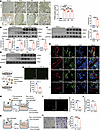 Figure 2
Impaired macrophage transendothelial trafficking in the fibrotic kidney. (A) Kidney fibrosis increases macrophage accumulation and lymphangiogenesis (PDPN staining, black arrows) in 3 kidney injury models (original magnification, ×400; scale bars: 100 μm). (B–D) Western blotting confirms increased F4/80 and PDPN. (E) Colocalization of PDPN (red) and F4/80 (green) by immunohistochemical staining. F4/80+ macrophages appear in lymphatic lumen (white arrows) of sham mice but not in fibrotic kidneys, which rather show prominent F4/80+ aggregation surrounding LVs. Scale bars: 20 μm. (F) Schematic illustrating macrophage and LEC adhesion experiment. (G) Macrophage adhesion to hLECs with or without TGF-β1 shows reduced number of macrophages adhering to hLECs. Scale bars: 20 μm. (H) Schematic diagram illustrating trans-lymphatic endothelial cell migration by macrophages. (I) Trans-endothelium experiments of macrophage adhesion to hLECs with or without TGF-β1 show a reduced number of migrated macrophages. Scale bars: 20 μm. (J) Fluorescence reading of medium in the lower chamber is similar in two groups. (K) Schematic diagram illustrating macrophage chemotaxis assay. (L) Under the chemotactic effect of TGF-β1, the number of macrophages migrating to the lower chamber of the Transwell increased significantly. Scale bars: 20 μm. n = 5 per group for animal experiments and n = 3 per group for cell experiments; statistics used included a 2-tailed t test (2 groups, in B–D, G, I, J, and L) or 1-way ANOVA (multiple groups, in A). *P < 0.05, **P < 0.01, ***P < 0.001, ****P < 0.0001.
It is well known that TGF-β1 is elevated after kidney injury (47). To more directly assess LYVE1 hydrolysis, we measured LYVE1 shedding in cultured human LECs (hLECs) exposed to TGF-β1. Complementing the in vivo results, TGF-β1 exposure decreased LEC expression of full-length LYVE1, whereas Cyto-LYVE1 levels remained unchanged. These gene expression studies were confirmed by Western blotting and immunocytochemistry, reinforcing the decreased LEC expression of full-length LYVE1 and unchanged Cyto-LYVE1 levels (Figure 1, G and H). Soluble LYVE1 was significantly increased in the conditioned medium of TGF-β1–exposed LECs (Figure 1I). Together, these findings demonstrate that LYVE1 ectodomain shedding occurs in fibrotic kidneys in vivo and in TGF-β1–stimulated cultured LECs.
LYVE1 shedding affects macrophage accumulation in the fibrotic kidney. LYVE1 is crucial for macrophage docking, entry, and removal by lymphatics that prevent macrophage accumulation (31). Depletion or compromise in LYVE1 integrity leads to pathophysiological consequences (33, 34). As expected, in our study, UUO, I/R, and FA all showed significant macrophage accumulation as assessed by immunohistochemical staining and F4/80 Western blot (Figure 2, A–D). Also, LV number was significantly increased in fibrotic kidneys, as indicated by the expression of the LV marker PDPN (Figure 2, A–D). Interestingly, F4/80+ macrophages were conspicuous not only around PDPN+ LVs but also within the lymphatic lumen of sham mice. In contrast, although the total number of macrophages was significantly increased in fibrotic kidneys, their localization was primarily outside the LV with only occasional cells observed within the vessel lumen (Figure 2E).
To better understand the pathways of lymphatic transport of macrophages, we examined macrophage attachment and migration with LECs. Cultured hLECs with or without TGF-β1 were cocultured with differentiated THP-1 macrophages. Adherent macrophages (visualized with green dye) were significantly reduced in hLECs exposed to TGF-β1 compared with control cells (Figure 2, F and G) in a time-dependent manner (Supplemental Figure 1D). Furthermore, transendothelial migration assays revealed that significantly fewer macrophages traversed TGF-β1–exposed hLECs compared with control hLEC layers (Figure 2, H and I). Notably, the fluorescence intensity in the medium (as opposed to the underside of the Transwell chamber) was not different between the two groups, indicating that the reduced number of traversed cells quantitated in the migration assay was not because of fewer cells drifting to the bottom of the chamber (Figure 2J). More importantly, TGF-β1 significantly enhanced macrophage chemotaxis toward the conditioned medium, indicating a strong chemoattractant effect independent of LYVE1 shedding (Figure 2, K and L). Together with data showing LYVE1 hydrolysis (Figure 1), these findings provide a coherent mechanistic explanation for our in vivo observation of increased macrophage accumulation around LVs in fibrosis models (Figure 2E), supporting the concept that TGF-β1 drives macrophage attraction but impairs their lymphatic clearance.
MMP9 mediates LYVE1 ectodomain shedding. Given the critical role of LYVE1 ectodomain shedding in macrophage transport, we aimed to identify the upstream regulators of this process. The matrix metalloproteinase (MMP) family is known to cleave transmembrane proteins and release their soluble forms in physiological and pathological conditions (48). To determine which MMP is preferentially induced in our model, we performed quantitative PCR analysis of LECs for MMP family members previously reported to have sheddase activity (including MMP9, MMP12, MMP28, MMP2, MMP8, MMP11, MMP20, MMP3, MMP1, MMP7, MMP13, MMP21, MMP26, MMP10, MMP19, and MMP27) (49) following TGF-β1 stimulation. Among these, MMP9 showed the greatest induction (Figure 3A). Moreover, MMP9 regulates the shedding of the leukocyte HA receptor homologous to LYVE1, CD44 (50). We focused on MMP9, which has been linked to kidney fibrosis and is induced by TGF-β1 (51–53). In vitro, gelatinase assays demonstrated a time-dependent increase in MMP9 levels in hLECs exposed to TGF-β1, findings that correlated with the increase in LYVE1 shedding (Figure 3, B and C). To assess whether MMP9 regulates LYVE1 shedding, we supplemented the culture medium with activated MMP9. MMP9 caused a marked reduction of full-length LYVE1 in the cell lysates (Figure 3, D and E) and increased free soluble LYVE1 in the supernatant (Figure 3F). siRNA-mediated knockdown of MMP9 in hLECs resulted in approximately 90% reduction of MMP9 mRNA expression (quantitative PCR shown in Figure 3G) and a marked decrease in protein levels (Western blot shown in Figure 3H). These results confirm efficient silencing of MMP9. Furthermore, transfection of hLECs with MMP9 siRNA significantly reduced LYVE1 ectodomain shedding (Figure 3, I–K).
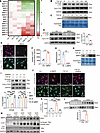 Figure 3
MMP9 mediates LYVE1 ectodomain shedding. (A) Fold change of RNA expression of MMPs on LECs after TGF-β1 stimulation. (B) Time course for full-length LYVE1 and Cyto-LYVE1 in TGF-β1–treated hLECs assessed by Western blot. (C) MMP9 in supernatant of TGF-β1–treated hLECs measured by gelatin zymography. (D) Full-length and Cyto-LYVE1 protein expression of MMP9-exposed hLECs assessed by Western blot. (E) Full-length and Cyto-LYVE1 protein expression of MMP9-treated hLECs assessed by ICC (original magnification, ×1,000; scale bars: 20 μm). (F) Soluble LYVE1 in supernatant of MMP9-exposed hLECs assessed by ELISA. (G) MMP9 expression in hLECs after siRNA-mediated knockdown. (H) MMP9 in the supernatant of hLECs treated with siMMP9 assessed by gelatin zymography. (I) Full-length and Cyto-LYVE1 protein expression of hLECs treated with siMMP9 inhibitors assessed by Western blot. (J) Full-length and Cyto-LYVE1 protein expression of hLECs treated with siMMP9 assessed by ICC (original magnification, ×1,000; scale bars: 20 μm). (K) Soluble LYVE1 in the supernatant of hLECs treated with siMMP9 measured by ELISA. (L and M) Western blot of MMP9, LYVE1, and Cyto-LYVE1 in UUO at the end of the experiment (14 days) (L) and over the course of the study (M). n = 3 per group for cell experiments; statistics used included a 2-tailed t test (2 groups, in D, F, G, and L) or 1-way ANOVA (multiple groups, in I and K).*P < 0.05, **P < 0.01, ***P < 0.001, ****P < 0.0001.
In vivo, MMP9 expression was significantly elevated in whole protein lysates extracted from UUO kidneys compared with normal kidneys (Figure 3L), and the expression increased as the disease progressed (Figure 3M). Together, these studies support the idea that MMP9 within kidneys mediates the shedding of LYVE1 ectodomain during fibrosis.
MMP9 inhibitors prevent LYVE1 ectodomain shedding in vitro and in vivo. Given that MMP9 appears to be a key protease mediating LYVE1 shedding in kidney fibrosis, we investigated whether MMP9 inhibitors could attenuate LYVE1 hydrolysis. We used the specific MMP9 inhibitor SB-3CT and the nonspecific inhibitor GM6001 (which has inhibition function for most MMPs) in our study. In vitro, both SB-3CT and GM6001 decreased TGF-β1–induced MMP9 secretion by LECs into the culture medium (Figure 4A). They both also decreased TGF-β1–induced LYVE1 ectodomain shedding in hLECs (Figure 4, B and C) and lowered the level of soluble LYVE1 in the supernatant (Figure 4D). Among the 3 models, the UUO model exhibits uniform kidney damage and is marked by progressive interstitial inflammation and fibrosis (38, 54). Because of these characteristics, we selected the UUO model for further rescue experiments. UUO mice were treated with SB-3CT and GM6001 for a duration of 14 days (55, 56).
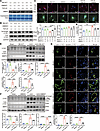 Figure 4
MMP9 inhibition prevents LYVE1 ectodomain shedding in vivo and in vitro. (A) Gelatin zymography measured MMP9 in the supernatant of hLECs treated with the MMP9 inhibitors SB-3CT and GM6001. (B) Western blot measured full-length and Cyto-LYVE1 protein expression of hLECs treated with the MMP9 inhibitors SB-3CT and GM6001. (C) ICC (original magnification, ×1,000; scale bars: 20 μm) measured full-length and Cyto-LYVE1 protein expression of hLECs treated with SB-3CT and GM6001. (D) ELISA measured soluble LYVE1 in the supernatant of hLECs treated with SB-3CT and GM6001. (E and F) Western blot of full-length and cleaved soluble LYVE1 and Cyto-LYVE1 in the sham group, UUO group, UUO with the specific shedding inhibitor SB-3CT group (E), and UUO with the nonspecific shedding inhibitor GM6001 group (F). (G) Cyto- and soluble LYVE1 costaining showed reduced LYVE1 shedding by SB-3CT or GM6001 (original magnification, ×1,000; scale bars: 20 μm). n = 5 per group for animal experiments and n = 3 per group for cell experiments; statistics used included 1-way ANOVA. *P < 0.05, **P < 0.01, ***P < 0.001, ****P < 0.0001.
In vivo, the inhibitors significantly reduced expression of cleaved soluble LYVE1 (50 kDa) in Western blot (Figure 4, E and F), preserved integrity of soluble LYVE1 immunostaining, and enhanced colocalization of full-length LYVE1 and cellular LYVE1 (Figure 4G). These data support the idea that the MMP9 inhibitor reduced LYVE1 ectodomain shedding.
Inhibition of LYVE1 ectodomain shedding attenuates interstitial macrophage accumulation and kidney fibrosis. In complementary in vitro studies, exogenous MMP9 significantly reduced macrophage adhesion to hLECs (Supplemental Figure 1E). In contrast, inhibition (Figure 5A) or knockdown of MMP9 with siRNA (Figure 5B) reestablished TGF-β1 impairment of LEC-macrophage adhesion. Both shedding inhibitors and siRNA treatment restored macrophage transendothelial transport reduced by TGF-β1 (Figure 5, C and E). There was no significant difference in the green fluorescence intensity of the lower chamber across the different groups (Figure 5, D and F), indicating that the number of macrophages migrated into the lower chamber was similar.
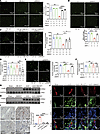 Figure 5
Macrophage accumulation is ameliorated by shedding inhibitors in vivo. F4/80+ macrophage aggregation was more prominent around the LVs in UUO mice compared with the other groups. (A) Left: In vitro adhesion experiments of macrophages and hLECs with TGF-β1 and SB-3CT or GM6001. Right: Bar graph of adhesion experiments; each point represents the average adhesion number of 5 random visual fields per well, assessed in 3 wells in each group. Scale bars: 100 μm. (B) Experiments of adhesion of macrophages to hLECs with TGF-β1 and siMMP9 treatment. Scale bars: 100 μm. (C and E) Trans-endothelium experiments of macrophage adhesion to hLECs with or without SB-3CT or GM6001 (C) and TGF-β1 and siMMP9 (E). Scale bars: 100 μm. (D and F) Fluorescence reading of culture medium in the lower chamber of trans-endothelium experiments of macrophage adhesion to hLECs with or without SB-3CT or GM6001 (D) and TGF-β1 and siMMP9 (F). (G and H) F4/80 protein expression of sham, UUO, UUO plus SB-3CT (G), or UUO plus GM6001 (H). (I) Macrophage marker F4/80 staining in kidneys of sham, UUO, UUO plus SB-3CT, or UUO plus GM6001. Scale bars: 100 μm. (J) F4/80+ macrophages (green) were observed in the lymphatic lumen (PDPN, red) (white arrows) of sham mice and mice treated with UUO plus SB-3CT or UUO plus GM6001 but not in untreated UUO mice (original magnification, ×1,000; scale bars: 20 μm). n = 5 per group for animal experiments; statistics used included 1-way ANOVA. *P < 0.05, **P < 0.01, ***P < 0.001, ****P < 0.0001.
In vivo, treatment with the shedding inhibitors, SB-3CT and GM6001, significantly reduced F4/80+ macrophage aggregation in UUO-injured mice assessed by immunohistochemistry and Western blot (Figure 5, G–I, and Supplemental Figure 1, F and G). To evaluate whether shedding inhibitors could restore renal lymphatic transport function, we performed PDPN and F4/80 costaining. Shedding inhibitors reduced F4/80+ macrophages and lessened the accumulation of macrophages surrounding the renal LVs (Figure 5J). Both inhibitors also reduced the expression of fibrosis-related proteins (FN, Col I, and α-SMA) (Figure 6, A and B) and attenuated tissue damage as shown by H&E and Masson’s staining (Figure 6C). Cumulatively, these results suggest that the inhibitors of LYVE1 ectodomain shedding are effective in alleviating macrophage efflux obstruction and kidney fibrosis.
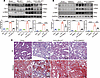 Figure 6
LYVE1 ectodomain shedding inhibition ameliorates renal fibrosis in vivo. (A and B) Western blot of FN, Col I, and α-SMA in sham group, UUO group, and UUO plus SB-3CT or GM6001 groups. (C) H&E and Masson’s staining shows morphological changes in UUO models and UUO plus SB-3CT or GM6001 (original magnification, ×200; scale bars: 100 μm). n = 5 per group for animal experiments; statistics used included 1-way ANOVA. *P < 0.05, **P < 0.01, ***P < 0.001, ****P < 0.0001.
-
Discussion
The lymphatic system plays a crucial role in immune regulation by enabling the migration of immune cells from tissues to the draining lymph nodes, where antigen-specific immune responses are initiated and maintained. This network also facilitates the clearance of phagocytes, apoptotic cells, and tissue debris, which are essential in the repair of damaged and inflamed tissues. Notably, the expansion of the lymphatic vascular network in patients and animal models of progressive kidney injury is thought to provide a highly efficacious outflow for immune cells (44, 45, 57). Simultaneously, increased macrophage abundance has been linked to progressive fibrosis (7, 12). This apparent paradox prompted us to investigate a potential dysfunction in immune cell clearance by the lymphatic vessels (LVs). Using 3 distinct renal fibrosis models, we provide compelling evidence for LYVE1 shedding from the renal lymphatic endothelial cells, a previously unreported phenomenon. Also, costaining studies showing the separation of LYVE1’s intracellular and extracellular domain fragments (Figure 1E). Complementing these results, Western blot analysis showed a marked reduction in the 75 kDa full-length LYVE1 and a corresponding increase in the 50 kDa soluble LYVE1 fragment (Figure 1, A–C). Importantly, although an increase in the 35 kDa Cyto-LYVE1 fragment, indicating lymphangiogenesis, was documented, this finding also corroborated that the reduction in full-length LYVE1 is not due to a decrease in LV numbers. While LYVE1 shedding has been documented in other circumstances, such as in models of skin lymphangiogenesis and human lymphoproliferative diseases (33), these findings, we believe, are novel in the context of kidney disease (Figure 7).
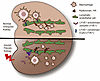 Figure 7
A proposed mechanism for kidney injury–driven macrophage accumulation includes impaired macrophage clearance. Kidney injury activates MMP9 and shedding of LYVE1 from lymphatic endothelial cells, which impairs macrophage adhesion and transmigration through the lymphatic endothelium, which promotes accumulation of macrophages in renal tissues.
LYVE1 cleavage appears to be regulated by MMP9, and modulation of MMP9 reduces LYVE1 shedding. Studies have reported that LYVE1 shedding by lymphatic endothelial cells is catalyzed by MT1-MMP (34) and a disintegrin and a metalloproteinase 17 (ADAM17) (33). Moreover, cleavage of membrane proteins, such as CD44, has been linked to ADAMs and MMPs in tissue remodeling, inflammatory responses, and proliferative signaling pathways during organogenesis (58, 59). In another pathophysiological setting, Wong et al. (34) showed that in mouse corneal LVs, LYVE1 is a direct substrate of MT1-MMP, with MT1-MMP–mediated cleavage regulating physiological lymphangiogenesis independently of VEGFR3 signaling. Our investigation revealed no significant increase in MT1-MMP or ADAM17 expression in hLECs exposed to TGF-β1. This led us to explore the role of MMP9, which has been strongly linked to kidney fibrosis (60, 61). Dysregulated MMP9 has been established in acute and chronic renal injury (62). During the later stages of I/R (e.g., days 14, 28, and 56 after I/R), Mmp9-knockout mice exhibited attenuated loss of renal microvessels (62). In addition, MMP2/9 inhibitors or MMP9-neutralizing antibodies significantly reduced macrophage infiltration, tubular epithelial-mesenchymal transition, and renal fibrosis in a UUO model (63). These findings complement our results that MMP9 alleviates kidney fibrosis. We propose a mechanism wherein MMP9 functions as a protease on LVs, shedding LYVE1 to reduce macrophage migration. Our in vitro data demonstrate that TGF-β–induced endogenous MMP9 or exogenous recombinant MMP9 triggers LYVE1 ectodomain shedding. The shedding was inhibited by MMP9 inhibitors or siRNA knockdown. Notably, MMP9 modulation in hLECs disrupted macrophage adhesion to LECs and impaired transendothelial migration.
Recent studies have highlighted the extracellular matrix glycosaminoglycan HA as a key player in lymphatic attraction, transport, and removal of immunogenic and potentially harmful molecules from tissue interstitium (64, 65). The negatively charged HA polysaccharide facilitates the transmigration and elimination of activated dendritic cells (DCs) and macrophages through interactions with the LV marker LYVE1 (31, 64). To understand how LYVE1 shedding can affect immune cell trafficking, we examined macrophage docking and trafficking across the lymphatic barrier. We found that LYVE1 shedding on LECs disrupted macrophage attachment and hindered their transendothelial migration, an effect that could be reversed with shedding inhibitors. Our results support the idea that LYVE1 shedding and loss of LYVE1-HA binding contribute to impaired immune cell trafficking. These findings in kidney injury build upon and extend the growing literature on the LYVE1/HA axis in other organ systems. In a cutaneous hypersensitivity model, a comprehensive analysis of DC trafficking in wild-type and Lyve1–/– mice demonstrated that the LYVE1-HA glycocalyx interaction is essential for immune cell docking and entry into primary LVs (64). Disruption of this axis, by either LYVE1-blocking antibodies or genetic deletion of LYVE1, impaired lymphatic entry and lymph node trafficking of CD11c+ DCs as well as adoptively transferred bone marrow–derived DCs. Similarly, studies have shown that monocyte-derived macrophages rely on LYVE1 for migration across lymphatic endothelium, a process disrupted by LYVE1-blocking antibodies or hyaluronidase digestion (65–67).
In view of macrophages’ central role (versus DCs) in renal fibrosis (68), we focused on the migration of macrophages. Our study demonstrates that kidney injury leads to LYVE1 shedding, which results in macrophage accumulation around LVs due to impaired macrophage transmigration. These results emphasize the significance of LYVE1 in macrophage-driven tissue remodeling and repair. In particular, LYVE1-mediated macrophage clearance has been crucial in conditions like myocardial infarction, in which LYVE1 deficiency leads to macrophage accumulation and delayed repair (31). Our previous studies have shown that kidney disease impairs lymphatic pumping of renal collecting vessels that predicts reduced tissue clearance (25). The current study expands those observations, showing impairment in the initial steps of macrophage entry into LVs, and the critical role of LYVE1 ectodomain hydrolysis in the LYVE1/HA axis. By diminishing macrophage adhesion and transmigration, LYVE1 hydrolysis may compound lymphatic pumping dysfunction or constitute a regulatory mechanism independent of downstream lymphatic pumping function. Understanding this process is crucial, as it provides insights into how LV dysfunction contributes to macrophage accumulation and persistent inflammation in renal fibrosis; targeting the LYVE1/HA axis could provide a therapeutic approach to mitigate fibrosis and enhance tissue repair in kidney disease and beyond. Macrophage heterogeneity, including resident and infiltrating monocyte-derived populations, is increasingly recognized as a critical factor in fibrosis progression (69). Although our study did not directly distinguish these populations in vivo, loss of HA binding following LYVE1 shedding is expected to impair lymphatic transport of any macrophage subset that depends on HA-LYVE1 interactions for transit. Studies employing lineage tracing or adoptive transfer will be needed to define the relative contributions of distinct macrophage sources to the retention phenotype we observed.
LYVE1 ectodomain shedding is expected to predominantly impact macrophages and DCs, the primary immune cell populations known to utilize an HA glycocalyx for lymphatic entry and transit (30). By contrast, immune cells such as T cells and neutrophil migration through lymphatics use adhesion molecules and receptors that are distinct and independent of HA-LYVE1 interactions. For example, T cells use CD44 binding to macrophage mannose receptor and integrin-mediated mechanisms, while neutrophils employ β2 integrin–dependent adhesion and proteolytic remodeling of lymphatic barriers (70, 71). Thus, the functional consequences of LYVE1 shedding for immune cell migration are likely limited to cells dependent on the HA glycocalyx, primarily macrophages, and DCs.
We recognize that our results have some limitations. Although LYVE1 knockout has been linked to impaired immune function and disease progression in mature mouse models, complete removal of the LYVE1 protein may induce complex changes beyond the shedding of the ectodomain. Also, the released ectodomains or intracellular fragments of LYVE1 may retain some functionality, as seen with CD44 (72). In vivo shedding inhibitors and in vitro application of MMP9-targeting siRNAs can produce complex and variable outcomes. Future research should focus on identifying specific MMP9 cleavage sites on LYVE1 and employing point mutations in cell and animal models to better understand the impact of LYVE1 shedding on kidney disease. Additionally, the effects of soluble LYVE1 on both macrophages and renal cells and its precise mechanisms of action need to be further explored. Addressing these questions will be crucial for translating our findings into clinical applications. Our study focused on renal fibrosis, which represents the most consequential sequela of kidney injury. Nevertheless, we recognize that activation and specific pathways leading to LYVE1 ectodomain hydrolysis may differ in various kidney diseases. It is therefore notable that we previously observed similar serum LYVE1 levels in individuals with chronic kidney disease without fibrosis and those with mild fibrosis; only subjects with moderate to severe fibrosis showed a significant increase in LYVE1 (37). This pattern suggests that LYVE1 hydrolysis may be kidney injury stage dependent. In support of this concept, MMP9 increases progressively over the time course in the UUO model (Figure 3K). Future research should explore the regulatory mechanisms and dynamic changes of LYVE1 cleavage in other kidney disease models, including models representing the transition from acute to chronic pathology. Moreover, immunofluorescence localization of MMP9 was not performed because it is a secreted protease with transient extracellular distribution, making cell-associated staining technically challenging and potentially unrepresentative of its functional site of action. In this study, THP-1 monocytes were differentiated into macrophages using PMA, generating cells with an M0-like, non-polarized phenotype. We did not further polarize macrophages into M1 or M2 subtypes, as our objective was to evaluate the general effects of LYVE1 shedding and TGF-β1 on macrophage-LEC interactions. However, macrophage phenotype may influence migratory and adhesion properties, and future studies will be required to determine whether M1- or M2-polarized macrophages exhibit similar patterns in adhesion and transendothelial migration. It is important to note that the direction of macrophage migration in our Transwell assay (apical to basolateral) (73, 74) is opposite to the physiological entry of immune cells into initial LVs, which occurs from the tissue (basolateral side) into the lymphatic lumen (apical side) (75). Our assay was designed to model the egress of macrophages from the interstitial tissue across LECs into LVs, focusing on the molecular mechanisms governing transendothelial migration rather than exact anatomical orientation. While this in vitro system cannot fully recapitulate the complex in vivo environment, it allows dissection of key adhesion and signaling interactions involved in macrophage passage through the lymphatic barrier. We acknowledge this limitation and suggest that future studies using advanced imaging and in vivo models will be necessary to confirm these mechanisms in their physiological context.
In summary, this study demonstrates that elevated MMP9 in the kidney under pathological conditions leads to LYVE1 shedding from LECs, effectively removing macrophage-binding sites. This loss of adhesion prevents macrophages from entering the lymphatic circulation, causing their accumulation in the kidney and contributing to inflammation and fibrosis (Figure 7). Blocking LYVE1 shedding, in turn, reduces macrophage aggregation and disease progression, suggesting an approach for treating kidney fibrosis.


