
Oncology

Abstract
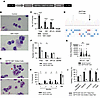
Bone metastases are a frequent complication of breast cancer, leading to reduced quality of life and increased morbidity. By intratibially injecting PyMT breast cancer cells in mice, we showed that the presence in the gut microbiome of segmented filamentous bacteria (SFB), a taxon that induces IL-17–producing Th17 cells and TNF-α (TNF)–producing T cells (TNF+ T cells), accelerated intraosseous tumor growth. SFB increased the activity of parathyroid hormone–related protein (PTHrP), a known driver of breast cancer bone metastasis produced by breast cancer cells. SFB promoted the PTHrP-induced expansion of intestinal Th17 cells and TNF+ T cells, their migration to bone marrow (BM) in tumor-bearing bones, and the BM expression of TNF, IL-17, and RANKL, cytokines that promote bone resorption. Demonstrating the functional relevance of IL-17 and TNF, silencing of either IL-17 or TNF blunted the growth of bone lesions in SFB+ mice. Thus, the abundance of SFB in the microbiome of mice and of SFB-like taxa in humans may determine the potency of PTHrP and the rate of growth of bone metastasis in breast cancer. Targeting the gut microbiota may represent a novel therapeutic strategy for breast cancer bone metastasis.
Authors
Nand K. Roy, Subhashis Pal, Hamid Y. Dar, Sanchiti Patil, M. Neale Weitzmann, Roberto Pacifici
Abstract
Septins are RAS-like GTP-binding proteins involved in cytoskeletal organization and cellular division. We previously described 2 pediatric patients harboring SEPT6 germline mutations (GM1: SEPT6 c.1282T>C and GM2: SEPT6 c.1282T>A) presenting with congenital neutropenia associated with the development of myelodysplastic syndrome. In one patient, an additional somatic mutation (SM: SEPT6 c.43C>T) was detected at a low allelic fraction in the BM. Here, we describe the consequences of these mutations for hematopoiesis. Transgenic expression or gene editing of GM1 or GM2 in human CD34+ cells led to enlarged, multinucleated cells associated with accelerated exhaustion and premature senescence of hematopoietic stem and progenitor cells (HSPCs). Senescence defects were associated with the upregulation of mTOR phosphorylation, and pharmacologic inhibition of the mTOR pathway resulted in rescue of senescence. In parallel, HSPCs exhibited marked mitochondrial abnormalities, including increased expression of OPA-1, a key regulator of mitochondrial fusion, and enhanced oxygen consumption during mitochondrial respiration. Introduction of the SM in cis with GM1 mitigated all observed defects. Collectively, our findings demonstrate a gain-of-function mechanism underlying marrow failure in patients carrying germline SEPT6 mutations and suggest that acquisition of a secondary somatic SEPT6 variant may confer a compensatory effect within hematopoietic cells.
Authors
Safa F. Mohamad, Meaghan McGuinness, Yu Zhou, Xin Jiang, Gabriele Casirati, Adele Mucci, Sara Canovas Nunes, Akiko Shimamura, Pietro Genovese, David A. Williams
Abstract
Matrix stiffness is a hallmark of aggressive solid tumors and strongly associated with therapeutic resistance and poor prognosis. This mechanical barrier represents a major unmet challenge in oncology, as current strategies rarely address how matrix mechanics themselves drive treatment resistance. Here, we identified ferroptosis, an iron-dependent form of cell death, as a potential long-sought vulnerability that can be exploited to eliminate mechanically resistant tumors. Using genetic and chemical approaches, we investigated how matrix stiffness sensitizes cancer cells to ferroptosis and whether this vulnerability can be therapeutically targeted. We found that cancer cells cultured on stiff matrices were more sensitive to ferroptosis than those on soft matrices, as evidenced by reduced cell viability and elevated lipid peroxidation. Furthermore, we found that matrix stiffness induced YAP activation, which upregulated its target gene SKP2, a key mediator required for the heightened ferroptosis sensitivity observed under stiff conditions. Finally, using an injectable hydrogel system, we demonstrated that stiffened tumors were resistant to chemotherapy but remained highly susceptible to ferroptosis induction, resulting in markedly reduced tumor volume and weight. Our findings established ferroptosis as a stiffness-dependent vulnerability mediated by a YAP-SKP2 signaling axis, revealing a mechanotransductive pathway that may be leveraged to target treatment-refractory tumors.
Authors
Emma Villares, Nico Taber, Shao-Chin Wu, Connor Amelung, Jianli Wu, Chao-Chieh Lin, Jen-Tsan Chi, Sharon Gerecht
Abstract
An immunosuppressive, macrophage-rich tumor microenvironment (TME) is a barrier to immunotherapy across many cancers including osteosarcoma, where immunotherapy has largely failed. cGAS-STING agonism has been explored to inflame such tumors, yet the mechanisms of STING-mediated TME remodeling remain poorly understood, especially in sarcomas. Using multi-modal single cell analysis, we show that systemic STING agonism in osteosarcoma triggers a myeloid-predominant inflammatory response and rapid tumor necrosis, followed by a T cell-mediated response, immunologic memory, and long-term cure in some models. Within two hours of treatment, STING agonism induces pro-inflammatory interferon programs in tumor-associated macrophages and monocytes, with additional contributions from endothelial cells. Efficacy persists in the absence of tumor-intrinsic STING or IFNAR, confirming that the therapeutic axis resides within the host TME rather than the tumor cell compartment. While cGAS-STING is frequently repressed in human osteosarcoma models of aggressive disease, a STING activation gene signature predicts survival in newly diagnosed patients, suggesting that this pathway is engaged during tumor progression. Together, these data identify an opportunity to exploit the myeloid compartment of osteosarcoma with STING pathway therapies, charting a path forward for engaging the TME to secure long term cure in an aggressive malignancy still treated with highly toxic chemotherapy.
Authors
Elizabeth P. Young, Christine A. Johnson, Alex G. Lee, Douglass Morris II, Georgia M. Edmondson, Alfonso G. Ramirez-Ristori, Jessica Tsui, Marcus R. Breese, Juan Antonio Camara Serrano, Courtney R. Schott, Clare L. Abram, Stanley G. Leung, Leanne C. Sayles, Aafrin M. Pettiwala, Vanessa S. Gutierrez Vera, Clifford A. Lowell, Alexis J. Combes, Troy A. McEachron, E. Alejandro Sweet-Cordero
Abstract
Glioblastoma (GBM) is a lethal brain tumor with a 95% five-year mortality rate, and remains a major unmet clinical need. An innovative approach to target GBM is administration of chimeric antigen receptor (CAR) T cells. In this study we identified B7-H3 as a favorable target antigen for CAR T cell therapy of GBM and developed a B7-H3 targeting CAR T cell. This CAR demonstrates robust, antigen-specific cytolysis and cytokine production, low tonic signaling, and preservation of a stem/naïve cell phenotype. Using orthotopic xenograft models of GBM we show that a single intravenous administration of this B7-H3 targeted CAR confers tumor control, and long-term survival. We identified upregulation of T cell inhibitory ligands PD-L1 and PD-L2 as a mechanism of resistance, and modified our B7-H3 targeting CAR vector to include a secreted a PD-1 blocking scFv. We further demonstrate that concomitant PD-1 blockade by the secreted PD-1 blocking scFv augments the antitumor capabilities of B7-H3-targeting CAR T cells through increased intratumoral infiltration by the CAR T cells and improved effector function. These data demonstrate B7-H3 targeting CAR T cells with concomitant PD-1 blockade is a safe and efficient method for improving the antitumor capacity of CAR T cells for GBM.
Authors
Jonathan F. Khan, Parwiz Abrahimi, Winson Cai, Lauren Dong, Kenny Kwok-Hei Yu, Svena Verma, Yacine Marouf, Sadna Budhu, Tara Pal Chaudhuri, Valeria Estrada Navarro, Mamadou A. Bah, Kelsey Hopland, Yanhong Yang, Terence J. Purdon, Ileana C. Miranda, Viviane Tabar, Jedd D. Wolchok, Taha Merghoub, Renier J. Brentjens

Abstract
Acute myeloid leukemia (AML) is the most common adult leukemia diagnosis. Bone marrow (BM) niche significantly influences the initiation and progression of AML. However, our knowledge about the effect of leukemic niche on leukemia stem cells (LSC) and leukemogenesis is limited. In this study, we identified an extrinsic-regulatory function of latexin (Lxn) in leukemogenesis. Using a MLL-AF9–induced AML mouse model in WT and Lxn-KO (Lxn–/–) recipient mice, we found that Lxn deletion in the BM niche enhanced the survival of AML mice by suppressing LSCs and reducing blood blasts. Single-cell RNA-seq of stromal cells and cell communication analysis uncovered downregulation of the leukemia inhibitory factor receptor (LIFR) signaling pathway in the Lxn–/– niche, particularly within mesenchymal stromal cells (MSCs). Mechanistically, reduced LIFR level in Lxn–/– MSCs upregulated Cxcl9 expression, leading to increased recruitment of CD8 T cells and enhanced cytotoxicity against leukemic cells. Combination of Lxn niche deletion and immune checkpoint inhibitor PD-1 further prolonged survival. The findings have important clinical implications, suggesting that Lxn inhibition could improve the efficacy of AML therapies by targeting the leukemia niche and enhancing immune surveillance.
Authors
Cuiping Zhang, Xia Yao, Pinpin Sui, Liming Hou, Bowen Yan, Larry L. Luchsinger, Gang Huang, Sheng Tong, Youwen Zhang, Bojing Shao, Hong Qian, Hong Zheng, Hui Zhong, Feng-Chun Yang, Ying Liang

Abstract
Integrin αVβ3, a transmembrane receptor involved in tumor growth and metastasis, specifically recognizes and binds proteins with the Arg-Gly-Asp (RGD) peptide sequence. Using mRNA and/or protein expression data from 496 thyroid cancer (TC) samples in The Cancer Genome Atlas, 14 TC cell lines, and 70 TC and 10 normal thyroid tissues, we found that papillary TC exhibits the highest αVβ3 integrin expression. We then evaluated the therapeutic efficacy of a radiolabeled RGD analog, 177Lu-DOTA-EB-cRGDfK, in TC. Genetic knockout and overexpression of αVβ3 in TC cell lines confirmed the target specificity of 177Lu-DOTA-EB-cRGDfK. In mouse xenograft models established from human TC cell lines with high αVβ3 expression, 177Lu-DOTA-EB-cRGDfK demonstrated superior antitumor efficacy compared with standard-of-care lenvatinib and placebo. However, no synergistic benefit was observed with combination therapy. Biodistribution studies identified the kidneys as the dose-limiting organ. RNA-seq analysis of resected tumors demonstrated that 177Lu-DOTA-EB-cRGDfK induced a type I IFN response, characterized by upregulation of IFI6, IFIT1-2, and MX1, compared with both lenvatinib-treated tumors and placebo. These findings identify αVβ3 integrin as a promising therapeutic target in a subset of TCs and demonstrate that 177Lu-DOTA-EB-cRGDfK exhibits superior efficacy to lenvatinib, supporting its potential clinical translation for progressive TC refractory to standard therapies.
Authors
Sonam Kumari, Rhitajit Sarkar, Zhantong Wang, Shilpa Thakur, Laura Abaandou, Oksana Gavrilova, Huiyan Lu, Noha Behairy, Lixin Lang, Dale Kiesewetter, Vasyl Vasko, Joanna Klubo-Gwiezdzinska
Anti-Notch plus endocrine therapy in ER+ breast cancer inhibits cancer stem cells by increasing DAXX
Abstract
Resistance to endocrine therapy (ET) in ER+ breast cancer is mediated by Notch signaling, but the clinical application of anti-Notch therapy has been limited by the lack of predictive biomarkers. To identify Notch-regulated biomarkers, we conducted a pre-surgical window study evaluating ET combined with the γ-secretase inhibitor (GSI) MK-0752. RNA expressions in tumors were measured using an Affymetrix array and by real-time PCR. ET plus GSI showed more genes were decreased than ET alone. Specifically, DAXX, NOXA, and LFNG RNAs were increased, while fifteen additional transcripts were decreased. Mechanistically, GSI reduced Notch1 occupancy at CSL-binding elements within HES1, HEY2, HEYL, CCND1, MKI67, and DAXX genes, and inhibited cancer stem cells (CSCs) by 90% to 100%. This anti-CSC effect required DAXX, while GSI treatment or Notch1/4 knockdown increased DAXX expression, suggesting transcriptional repression by Notch. Using mouse tumor xenograft studies, ET plus MK-0752 resulted in complete regression of MCF-7 tumors, with DAXX-high tumors showing greater treatment sensitivity. Clinically, high DAXX expression was associated with improved recurrence-free and overall survival. This study found that anti-Notch plus ET in ER+ breast cancer inhibits cancer stem cells by increasing DAXX, a promising predictive biomarker. These findings support clinical evaluation of therapies that increase DAXX expression.
Authors
Kathy S. Albain, Debra Wyatt, Andrei Zlobin, Susan G. Hilsenbeck, Cheryl M. Czerlanis, Daniel S. Peiffer, Kyle R. Convington, Constantine Godellas, Shelly S. Lo, Patricia A. Robinson, Kathy Czaplicki, Barbara Busby, Davide Bova, Ping Tang, Patrick J. Stiff, Suzanne A.W. Fuqua, Lucio Miele, Clodia Osipo
Abstract
BACKGROUND. Hepatocellular carcinoma (HCC) exhibits molecular heterogeneity that challenges histopathologic classification and biomarker discovery. We assessed whether spatially resolved N-glycan imaging with machine learning could classify tumor regions and infer glutamine synthetase (GS) status. METHODS. In this retrospective study, MALDI mass spectrometry imaging of N-glycans was performed on formalin-fixed, paraffin-embedded sections from two independent cohorts (discovery, n = 88; validation, n = 60) with pathologist annotation. An XGBoost classifier was trained on 90 discriminative N-glycan features using patient-grouped cross-validation. Performance was assessed by AUC for pixel- and biopsy-level discrimination of tumor from adjacent non-tumor tissue, and for GS status classification. RESULTS. Pixel-level AUCs were 0.95 (cross-validation) and 0.89 (external validation); biopsy-level AUCs were 1.0 and 0.97, correctly identifying 97% of tumor-containing biopsies. Probability maps recapitulated pathologist-defined boundaries; UMAP embeddings captured inter- and intratumoral heterogeneity. Discriminative species (m/z 2393.846, 1905.634, 1743.579, 1809.639) reflected complex, fucosylated, branched remodeling. N-glycans bearing six GlcNAc residues were enriched in GS+ (n = 45) versus GS− (n = 17) tumors (P = 0.001) and discriminated GS status (AUC = 0.75), consistent with GLUL and MGAT5 upregulation in TCGA-LIHC. CONCLUSION. MALDI N-glycan imaging with machine learning enables spatially resolved, objective classification of HCC and links glycan phenotypes to tumor-associated metabolic programs. TRIAL REGISTRATION. Not applicable; retrospective analysis of archival, de-identified tissue. FUNDING. NIH/NCI R01CA285370, 1R01CA289381, R33CA267226, R01CA282022, R21CA263464, R21CA286287, R01CA253460, S10OD030212, R01CA251155, R01CA250227, U01CA271887, P50CA295495, P30CA138313, P20GM130457, P30DK123704, P30DK120531,R24DK139775; NIH/NIA R01AG078702; Smart State Endowment, State of South Carolina; LeDucq Foundation.
Authors
Muhammed F. Bayram, Jade K. Macdonald, Andrew DelaCourt, Peggi M. Angel, Richard R. Drake, Aatur Singhi, David Geller, Satdarshan P. Monga, Amit Singal, Anand Mehta
Abstract
BACKGROUND. This prospective, single-arm, multicenter phase 1/2 trial evaluated vorinostat added to standard graft-versus-host disease (GVHD) prophylaxis in pediatric, adolescent, and young adult (AYA) patients undergoing allogeneic hematopoietic cell transplantation (HCT) from HLA-matched related, HLA-matched unrelated, and haploidentical donors. METHODS. Patients aged 3–39 years received twice-daily vorinostat with tacrolimus/methotrexate after HLA-matched HCT from day −10 to +30, or with post-transplant cyclophosphamide/tacrolimus/mycophenolate mofetil after haploidentical HCT from day +5 to +30. The primary endpoint was cumulative incidence of grade II–IV acute GVHD by day +100. All outcomes were based on intention-to-treat analysis. RESULTS. Forty-three patients were enrolled; median age was 19 years, with 74% receiving HLA-matched and 26% haploidentical HCT. The recommended phase 2 dose was 60 mg/m² twice daily. No dose-limiting toxicities, unexpected vorinostat-related serious adverse events, or primary graft failures occurred. Median neutrophil and platelet recovery occurred at 14 and 18 days, respectively. Day +100 grade II–IV and III–IV acute GVHD were 14% (95% CI, 5.6, 26) and 4.7% (95% CI, 0.83, 14), respectively. One-year overall survival was 88.4% (95% CI, 79.3, 98.5), relapse 14% (95% CI: 5.6, 26), nonrelapse mortality 4.7% (95% CI: 0.8, 14), and GVHD-free/relapse-free survival 55.8% (95% CI: 42.8, 72.8). Correlative studies demonstrated on-target HDAC activity, with increased histone acetylation and lower proinflammatory cytokines. CONCLUSION. These findings support randomized evaluation of vorinostat-based GVHD prophylaxis in pediatric and AYA HCT. TRIAL REGISTRY. ClinicalTrials.gov, NCT03842696.
Authors
Nicolas Parnell, Xiao Cao, Jan H. Beumer, Thomas M. Braun, Yilei Cui, Gary J. Fisher, Guoqing Hou, Julianne Holleran, Tracey Churay, Michelle Rozwadowski, Luna Heider, Mark T. Vander Lugt, Carrie L. Kitko, April L. Rahrig, Ed Peres, Kirsten M. Williams, Julie-An Talano, Vanessa A. Fabrizio, Ghada Abusin, Gregory A. Yanik, John Magenau, Mary Riwes, Marcus J. Geer, Sarah Anand, Monalisa Ghosh, Attaphol Pawarode, Kristen Votruba, Pavan Reddy, Sung Won Choi
No posts were found with this tag.


