
Research ArticleNeuroscienceVascular biology
Open Access |  10.1172/jci.insight.195638
Endothelial oncogenic KRAS mutation drives the dynamics of microglia and macrophages in brain arteriovenous malformation
Hyejin Park,1 Jung-Eun Park,1 Bridger H. Freeman,1 Bosco Seong Kyu Yang,1 Shun-Ming Ting,2 Alexander K. Suh,1 Jude P.J. Savarraj,1 Shuning Huang,3 Jakob Körbelin,4 Huimahn Alex Choi,1 Sean P. Marrelli,2 Jaroslaw Aronowski,2,5 Peng Roc Chen,1 Eunhee Kim,1 and Eun S. Park1,5
1Vivian L. Smith Department of Neurosurgery,
2Department of Neurology, and
3Department of Diagnostic and Interventional Imaging, McGovern Medical School, The University of Texas Health Science Center at Houston, Houston, Texas, USA.
4Department of Oncology, Hematology and Bone Marrow Transplantation, University Medical Center Hamburg-Eppendorf, Hamburg, Germany.
5Center for Neuroimmunology and Glial Biology, The Brown Foundation Institute of Molecular Medicine, The University of Texas Health Science Center at Houston, Houston, Texas, USA.
Address correspondence to: Eun S. Park, McGovern Medical School at UTHealth Houston, 6431 Fannin Street, Houston, Texas, 77030, USA. Phone: 713.500.5534; Email: Eunsu.park@uth.tmc.edu.
Find articles by Park, H. in: PubMed | Google Scholar
1Vivian L. Smith Department of Neurosurgery,
2Department of Neurology, and
3Department of Diagnostic and Interventional Imaging, McGovern Medical School, The University of Texas Health Science Center at Houston, Houston, Texas, USA.
4Department of Oncology, Hematology and Bone Marrow Transplantation, University Medical Center Hamburg-Eppendorf, Hamburg, Germany.
5Center for Neuroimmunology and Glial Biology, The Brown Foundation Institute of Molecular Medicine, The University of Texas Health Science Center at Houston, Houston, Texas, USA.
Address correspondence to: Eun S. Park, McGovern Medical School at UTHealth Houston, 6431 Fannin Street, Houston, Texas, 77030, USA. Phone: 713.500.5534; Email: Eunsu.park@uth.tmc.edu.
Find articles by Park, J. in: PubMed | Google Scholar
1Vivian L. Smith Department of Neurosurgery,
2Department of Neurology, and
3Department of Diagnostic and Interventional Imaging, McGovern Medical School, The University of Texas Health Science Center at Houston, Houston, Texas, USA.
4Department of Oncology, Hematology and Bone Marrow Transplantation, University Medical Center Hamburg-Eppendorf, Hamburg, Germany.
5Center for Neuroimmunology and Glial Biology, The Brown Foundation Institute of Molecular Medicine, The University of Texas Health Science Center at Houston, Houston, Texas, USA.
Address correspondence to: Eun S. Park, McGovern Medical School at UTHealth Houston, 6431 Fannin Street, Houston, Texas, 77030, USA. Phone: 713.500.5534; Email: Eunsu.park@uth.tmc.edu.
Find articles by Freeman, B. in: PubMed | Google Scholar
1Vivian L. Smith Department of Neurosurgery,
2Department of Neurology, and
3Department of Diagnostic and Interventional Imaging, McGovern Medical School, The University of Texas Health Science Center at Houston, Houston, Texas, USA.
4Department of Oncology, Hematology and Bone Marrow Transplantation, University Medical Center Hamburg-Eppendorf, Hamburg, Germany.
5Center for Neuroimmunology and Glial Biology, The Brown Foundation Institute of Molecular Medicine, The University of Texas Health Science Center at Houston, Houston, Texas, USA.
Address correspondence to: Eun S. Park, McGovern Medical School at UTHealth Houston, 6431 Fannin Street, Houston, Texas, 77030, USA. Phone: 713.500.5534; Email: Eunsu.park@uth.tmc.edu.
Find articles by Yang, B. in: PubMed | Google Scholar
1Vivian L. Smith Department of Neurosurgery,
2Department of Neurology, and
3Department of Diagnostic and Interventional Imaging, McGovern Medical School, The University of Texas Health Science Center at Houston, Houston, Texas, USA.
4Department of Oncology, Hematology and Bone Marrow Transplantation, University Medical Center Hamburg-Eppendorf, Hamburg, Germany.
5Center for Neuroimmunology and Glial Biology, The Brown Foundation Institute of Molecular Medicine, The University of Texas Health Science Center at Houston, Houston, Texas, USA.
Address correspondence to: Eun S. Park, McGovern Medical School at UTHealth Houston, 6431 Fannin Street, Houston, Texas, 77030, USA. Phone: 713.500.5534; Email: Eunsu.park@uth.tmc.edu.
Find articles by Ting, S. in: PubMed | Google Scholar
1Vivian L. Smith Department of Neurosurgery,
2Department of Neurology, and
3Department of Diagnostic and Interventional Imaging, McGovern Medical School, The University of Texas Health Science Center at Houston, Houston, Texas, USA.
4Department of Oncology, Hematology and Bone Marrow Transplantation, University Medical Center Hamburg-Eppendorf, Hamburg, Germany.
5Center for Neuroimmunology and Glial Biology, The Brown Foundation Institute of Molecular Medicine, The University of Texas Health Science Center at Houston, Houston, Texas, USA.
Address correspondence to: Eun S. Park, McGovern Medical School at UTHealth Houston, 6431 Fannin Street, Houston, Texas, 77030, USA. Phone: 713.500.5534; Email: Eunsu.park@uth.tmc.edu.
Find articles by Suh, A. in: PubMed | Google Scholar
1Vivian L. Smith Department of Neurosurgery,
2Department of Neurology, and
3Department of Diagnostic and Interventional Imaging, McGovern Medical School, The University of Texas Health Science Center at Houston, Houston, Texas, USA.
4Department of Oncology, Hematology and Bone Marrow Transplantation, University Medical Center Hamburg-Eppendorf, Hamburg, Germany.
5Center for Neuroimmunology and Glial Biology, The Brown Foundation Institute of Molecular Medicine, The University of Texas Health Science Center at Houston, Houston, Texas, USA.
Address correspondence to: Eun S. Park, McGovern Medical School at UTHealth Houston, 6431 Fannin Street, Houston, Texas, 77030, USA. Phone: 713.500.5534; Email: Eunsu.park@uth.tmc.edu.
Find articles by Savarraj, J. in: PubMed | Google Scholar
1Vivian L. Smith Department of Neurosurgery,
2Department of Neurology, and
3Department of Diagnostic and Interventional Imaging, McGovern Medical School, The University of Texas Health Science Center at Houston, Houston, Texas, USA.
4Department of Oncology, Hematology and Bone Marrow Transplantation, University Medical Center Hamburg-Eppendorf, Hamburg, Germany.
5Center for Neuroimmunology and Glial Biology, The Brown Foundation Institute of Molecular Medicine, The University of Texas Health Science Center at Houston, Houston, Texas, USA.
Address correspondence to: Eun S. Park, McGovern Medical School at UTHealth Houston, 6431 Fannin Street, Houston, Texas, 77030, USA. Phone: 713.500.5534; Email: Eunsu.park@uth.tmc.edu.
Find articles by Huang, S. in: PubMed | Google Scholar
1Vivian L. Smith Department of Neurosurgery,
2Department of Neurology, and
3Department of Diagnostic and Interventional Imaging, McGovern Medical School, The University of Texas Health Science Center at Houston, Houston, Texas, USA.
4Department of Oncology, Hematology and Bone Marrow Transplantation, University Medical Center Hamburg-Eppendorf, Hamburg, Germany.
5Center for Neuroimmunology and Glial Biology, The Brown Foundation Institute of Molecular Medicine, The University of Texas Health Science Center at Houston, Houston, Texas, USA.
Address correspondence to: Eun S. Park, McGovern Medical School at UTHealth Houston, 6431 Fannin Street, Houston, Texas, 77030, USA. Phone: 713.500.5534; Email: Eunsu.park@uth.tmc.edu.
Find articles by
Körbelin, J.
in:
PubMed
|
Google Scholar
|

1Vivian L. Smith Department of Neurosurgery,
2Department of Neurology, and
3Department of Diagnostic and Interventional Imaging, McGovern Medical School, The University of Texas Health Science Center at Houston, Houston, Texas, USA.
4Department of Oncology, Hematology and Bone Marrow Transplantation, University Medical Center Hamburg-Eppendorf, Hamburg, Germany.
5Center for Neuroimmunology and Glial Biology, The Brown Foundation Institute of Molecular Medicine, The University of Texas Health Science Center at Houston, Houston, Texas, USA.
Address correspondence to: Eun S. Park, McGovern Medical School at UTHealth Houston, 6431 Fannin Street, Houston, Texas, 77030, USA. Phone: 713.500.5534; Email: Eunsu.park@uth.tmc.edu.
Find articles by Choi, H. in: PubMed | Google Scholar
1Vivian L. Smith Department of Neurosurgery,
2Department of Neurology, and
3Department of Diagnostic and Interventional Imaging, McGovern Medical School, The University of Texas Health Science Center at Houston, Houston, Texas, USA.
4Department of Oncology, Hematology and Bone Marrow Transplantation, University Medical Center Hamburg-Eppendorf, Hamburg, Germany.
5Center for Neuroimmunology and Glial Biology, The Brown Foundation Institute of Molecular Medicine, The University of Texas Health Science Center at Houston, Houston, Texas, USA.
Address correspondence to: Eun S. Park, McGovern Medical School at UTHealth Houston, 6431 Fannin Street, Houston, Texas, 77030, USA. Phone: 713.500.5534; Email: Eunsu.park@uth.tmc.edu.
Find articles by
Marrelli, S.
in:
PubMed
|
Google Scholar
|
1Vivian L. Smith Department of Neurosurgery,
2Department of Neurology, and
3Department of Diagnostic and Interventional Imaging, McGovern Medical School, The University of Texas Health Science Center at Houston, Houston, Texas, USA.
4Department of Oncology, Hematology and Bone Marrow Transplantation, University Medical Center Hamburg-Eppendorf, Hamburg, Germany.
5Center for Neuroimmunology and Glial Biology, The Brown Foundation Institute of Molecular Medicine, The University of Texas Health Science Center at Houston, Houston, Texas, USA.
Address correspondence to: Eun S. Park, McGovern Medical School at UTHealth Houston, 6431 Fannin Street, Houston, Texas, 77030, USA. Phone: 713.500.5534; Email: Eunsu.park@uth.tmc.edu.
Find articles by Aronowski, J. in: PubMed | Google Scholar
1Vivian L. Smith Department of Neurosurgery,
2Department of Neurology, and
3Department of Diagnostic and Interventional Imaging, McGovern Medical School, The University of Texas Health Science Center at Houston, Houston, Texas, USA.
4Department of Oncology, Hematology and Bone Marrow Transplantation, University Medical Center Hamburg-Eppendorf, Hamburg, Germany.
5Center for Neuroimmunology and Glial Biology, The Brown Foundation Institute of Molecular Medicine, The University of Texas Health Science Center at Houston, Houston, Texas, USA.
Address correspondence to: Eun S. Park, McGovern Medical School at UTHealth Houston, 6431 Fannin Street, Houston, Texas, 77030, USA. Phone: 713.500.5534; Email: Eunsu.park@uth.tmc.edu.
Find articles by Chen, P. in: PubMed | Google Scholar
1Vivian L. Smith Department of Neurosurgery,
2Department of Neurology, and
3Department of Diagnostic and Interventional Imaging, McGovern Medical School, The University of Texas Health Science Center at Houston, Houston, Texas, USA.
4Department of Oncology, Hematology and Bone Marrow Transplantation, University Medical Center Hamburg-Eppendorf, Hamburg, Germany.
5Center for Neuroimmunology and Glial Biology, The Brown Foundation Institute of Molecular Medicine, The University of Texas Health Science Center at Houston, Houston, Texas, USA.
Address correspondence to: Eun S. Park, McGovern Medical School at UTHealth Houston, 6431 Fannin Street, Houston, Texas, 77030, USA. Phone: 713.500.5534; Email: Eunsu.park@uth.tmc.edu.
Find articles by Kim, E. in: PubMed | Google Scholar
1Vivian L. Smith Department of Neurosurgery,
2Department of Neurology, and
3Department of Diagnostic and Interventional Imaging, McGovern Medical School, The University of Texas Health Science Center at Houston, Houston, Texas, USA.
4Department of Oncology, Hematology and Bone Marrow Transplantation, University Medical Center Hamburg-Eppendorf, Hamburg, Germany.
5Center for Neuroimmunology and Glial Biology, The Brown Foundation Institute of Molecular Medicine, The University of Texas Health Science Center at Houston, Houston, Texas, USA.
Address correspondence to: Eun S. Park, McGovern Medical School at UTHealth Houston, 6431 Fannin Street, Houston, Texas, 77030, USA. Phone: 713.500.5534; Email: Eunsu.park@uth.tmc.edu.
Find articles by Park, E. in: PubMed | Google Scholar
Published February 5, 2026 - More info
JCI Insight. 2026;11(6):e195638. https://doi.org/10.1172/jci.insight.195638.
© 2026 Park et al. This work is licensed under the Creative Commons Attribution 4.0 International License. To view a copy of this license, visit http://creativecommons.org/licenses/by/4.0/.
Received: May 14, 2025; Accepted: January 28, 2026


-
Results
ECs carrying mutant KRAS lead to bAVM genesis. We previously showed that ECs carrying mutant human KRAS (KRAS-ECs) are sufficient to generate a tangled nidus, with feeding arteries connected directly to draining veins in the brains of mice, recapitulating the features of human bAVM (15). The bAVM mouse model was established using AAV-BR1-KRASG12V that specifically transduces bECs using a unique BR1 capsid carrying KRASG12V (29). We named these KRASG12V/bEC mice (15). Using antibodies that selectively recognize mutated human KRASG12V and CD31, we confirmed that bAVM vessels are indeed formed at the locus of KRASG12V expression (Supplemental Figure 1A; supplemental material available online with this article; https://doi.org/10.1172/jci.insight.195638DS1). The region, termed the “bAVM territory,” containing KRASG12V-positive dysplastic, malformed vessels, showed a striking prevalence of activated MG and infiltrated Mϕ (Iba1+ cells). This is in contrast with “intact,” KRASG12V-negative vessels with normal nondysplastic morphology that showed only MG with ramified morphology (Supplemental Figure 1B).
To provide better visualization of bAVM-MG/Mϕ interactions, we used a clearing technique with 3D immunofluorescent staining in the whole mouse brain 8 weeks after AAV-BR1-KRASG12V injection. Brain tissue containing the bAVMs was harvested using T2*-weighted MRI coordinates (Figure 1A). The cleared, CD31-immunostained brain tissues showed snarled bAVM niduses readily distinguishable from normal vessels. The 3D-stereotypic structure of bAVM niduses possessed thick and dysplastic vasculature and contained activated Iba1+ cells (Figure 1, A–C, and Supplemental Video 1).
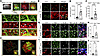 Figure 1
KRAS-ECs drive the activation of MG and infiltration of Mϕ toward bAVM territories in KRASG12V/bEC mice. (A) T2*-weighted MRI revealed the presence of ICH 8 weeks after AAV-BR1-KRASG12V injection. For labeling, whole brains were cleared using the tissue rapid clearing technique before being processed for immunostaining. Confocal microscopy visualized the bAVMs (tissue corresponding to the red square of the MRI image) as a dense network of CD31+ (EC marker) vasculature. A nidus shape of bAVM vessels (CD31, green) is distinguished from intact vessels. Dotted blue lines with arrows indicate the bAVM nidus. An abundant population of MG/Mϕ (Iba1, red) surrounding bAVMs was clearly detected. Scale bar: 100 μm. The large hypointense bleeding spot on the MRI (arrow) was not analyzed due to tissue disintegration following ICH from the bAVM nidus. (B) High magnification of the dotted area in A representing the intact brain (yellow-filled black dotted) or bAVM-containing area (yellow-filled, red dotted). Scale bar: 25 μm. Note the less dense contact between MG/Mϕ and the vasculature (CD31+) in the intact brain area (dotted arrows), while bAVM vessels exhibit an enhanced contact between Mg/Mϕ and bAVM vessels (arrows). (C) Representative 3D images reconstructing stacked images of cleared/immunofluorescently stained brain tissues. The 3D images clearly show a higher density and intensity of myeloid (Iba1+) cells attached to CD31+ dysplastic bAVM vessels, compared with the intact vessels in KRASG12V/bEC mice. Units indicate scales (149 μm × 149 μm × 67 μm). Sample thickness: 2 mm. Z-stacks: 67 μm. (D) Representative immunofluorescence images showing the increased clustering of Iba1+ cells in the bAVM territory compared with intact vessels 6 weeks after AAV-BR1-KRASG12V injection. Arrows indicate the contact of Iba1+ cells to the CD31+ ECs. Scale bar: 25 μm. (E and F) Bar graphs quantifying volume of Iba1+ cells (E) or contact area of Iba1+ cells to the CD31+ ECs (F) around intact vessels versus bAVM-containing territories. Unpaired, 2-tailed t test. ****P < 0.0001. Each dot indicates a randomly selected ROI (n = 15) obtained from mice (n = 6 per group). (G and I) Representative immunofluorescence images showing the enhanced production of IL-1β or IL-6 by Iba1+ cells in the bAVM territory compared with intact vessels 6 weeks after AAV-BR1-KRASG12V injection. Arrows indicate IL-1β+Iba1+ cells (G) or IL-6+Iba1+ cells (I). Open arrows indicate IL-1β+CD31+ cells (G) or IL-6+CD31+ cells (I). Scale bar: 50 μm. (H and J) Bar graphs quantifying numbers of IL-1β+Iba1+ (E) or IL-6+Iba1+ cells (G) around intact vessels versus bAVM-containing territories. Unpaired, 2-tailed t test. **P < 0.01. Each dot indicates a randomly selected ROI (n = 8) obtained from mice (n = 3 per group).
KRAS-ECs activate and recruit MG/Mϕ in the bAVM territory. The presence of MG and monocyte-derived Mϕ in and around the tangled/dysplastic nidus suggested they potentially play a pathological role in the bAVM territory. Thus, here, to study the bAVM–myeloid cell interaction, we investigated the spatial relationship between MG/Mϕ and bAVMs, again using the whole mouse brain clearing technique with subsequent Iba1 immunofluorescent staining for MG/Mϕ. The 3D-stereotypic structure of the bAVM nidus showed dense populations of Iba1+ MG/Mϕ around thick and dysplastic vasculature (Figure 1, A–C, and Supplemental Video 1). Moreover, in the bAVMs, we identified that MG, exhibiting thick branches, were largely adjacent to dysplastic vessels. This is in contrast with the intact region (no-bAVM) where CD31+ vessels showed limited contact with ramified MG (Figure 1, B and C). The volume of Iba1+ cells and the contact area of Iba1+ cells between CD31+ ECs were substantially increased in the bAVM area compared with the intact area (Figure 1, D–F). As MG/Mϕ at bAVMs may influence the local proinflammatory environment, we determined at 6 weeks after bAVM induction that the number of IL-1β+Iba1+ and IL-6+Iba1+ cells was much higher around bAVMs (Figure 1, G–J). This suggests that the MG/Mϕ in bAVM territories have a proinflammatory phenotype, which could directly induce bAVM destabilization.
Presence of MG/Mϕ in both human ruptured and unruptured bAVMs. Importantly, we confirmed consistency between mouse bAVMs and human bAVMs, now using tissue surgically resected from patients with bAVM. We again used the tissue clearing technique and immunofluorescent staining for Iba1 to achieve better resolution. The clustering of Iba1+ MG/Mϕ in the human ruptured bAVMs was morphologically similar to what we observed in the mouse model (Figure 2A and Supplemental Video 2). Along with this, we confirmed that ruptured bAVM tissues had substantially increased numbers of Iba1+ and CCR2+ cells compared with superficial temporal artery (STA) tissues (Figure 2, B and C, Supplemental Table 1). For testing the MG/Mϕ changes in human ruptured versus unruptured bAVM, we reanalyzed the human bAVM bulk RNA-seq dataset established by Winkler et al. (30). Notably, the MG-specific genes (transmembrane protein 119 [TMEM119], P2RY12) or perivascular Mϕ-specific genes (LY86) were both increased in ruptured bAVM compared with the unruptured bAVM tissues (Figure 2E). Remarkably, using the human bAVM single-cell RNA-seq (scRNA-seq) dataset (30), we reanalyzed the immune cell composition across control (vessels from patients with epilepsy) and unruptured bAVM tissues. The relative proportions of MG and Mϕ were broadly similar between groups. MG accounted for a median of 2.11% of total cells in control tissue and 1.65% in unruptured bAVMs, while Mϕ comprised 31.1% and 28.3%, respectively (Figure 2G and Supplemental Table 2), indicating no major shift in overall myeloid abundance. We next assessed cell type–specific expression of canonical myeloid activation markers. Within MG, AIF1 expression was markedly increased in unruptured bAVMs compared with controls (median log-normalized expression 1.61 vs. 0.00, respectively; Figure 2H and Supplemental Table 3). A similar pattern was observed for CD68, with increased microglial expression in unruptured bAVMs relative to control tissue, despite overall low expression levels consistent with sparse transcription of lysosomal markers in resting MG (Figure 2I and Supplemental Table 4). In contrast, Mϕ exhibited more modest and heterogeneous expression changes. AIF1 expression showed only a small difference between unruptured AVM and controls (median 1.39 vs. 1.10), while CD68 expression remained low and did not demonstrate a consistent group-level increase (Supplemental Tables 5 and 6). The reanalyzed bulk RNA-seq and scRNA-seq allowed for histological comparison of MG/Mϕ in tissue specimens from STAs and unruptured bAVMs. Remarkably, we detected numerous Iba1+ and amoeboid shapes of CCR2+ cells in the unruptured bAVM tissue compared with the STA (Figure 2, B and C). Only a few MG/Mϕ were present during analysis of STA tissues, used as a control (Figure 2B). These findings support the hypothesis that MG/Mϕ seen in the bAVM territory are not merely presented as a result of vascular rupture.
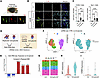 Figure 2
Human bAVMs display the presence of MG/Mϕ in bAVM territories. (A) A ruptured bAVM nidus dissected from a human patient was cleared using the tissue rapid clearing technique. bAVM nidus thickness: 2 mm. Representative immunofluorescence image of endothelium (CD31, green) and MG/Mϕ (Iba1, red) at the location (red inset of A) in cleared ruptured bAVM nidus. Scale bars: 200 μm (top) and 50 μm (bottom). (B) Representative immunofluorescence image demonstrating Iba1+ cells and CCR2+ cells in human ruptured and unruptured bAVM tissues compared to non–bAVM-associated superficial temporal artery (STA) used as control. Note that the dissected STA and bAVM are composed primarily of blood vessels and lack parenchymal tissue. Scale bar: 50 μm. (C) Bar graphs quantifying numbers of CCR2+ and Iba1+ cells between human STA, ruptured, and unruptured bAVM tissues. One-way ANOVA and Tukey’s multiple comparisons test. **P < 0.01; ****P < 0.0001. Each dot indicates a randomly selected ROI (n = 16–17) obtained from human images (n = 3) per group. (D) External validation: Reanalysis of bulk RNA-seq by comparing ruptured (n = 26 donors) versus unruptured human bAVM tissues (n = 13 donors), and scRNA-seq by comparing Ctrl (control adult vessels from epilepsy patients, n = 5 donors) versus unruptured human bAVM tissues (n = 5 donors), based on the dataset by Winkler et al. (30). Created in BioRender (https://BioRender.com/w59711f). (E) External validation: MG and Mϕ in the bulk RNA-seq dataset express their respective markers: TMEM119 and P2RY12 (MG) and LY86 (Mϕ). Note that the MG/Mϕ genes are significantly expressed in the ruptured bAVM tissues compared with the unruptured bAVM tissues. Proportions of selected genes for MG and Mϕ were compared between ruptured and unruptured using nonparametric statistical tests (log2[fold change]). (F–I) External validation: UMAP visualization of immune cell types from reanalyzed scRNA-seq data of Ctrl and unruptured bAVM tissues (F). Mϕ, macrophages; DC, dendritic cell; MY, myeloid; MO, monocytes; MG, microglia; DI, dividing immune cells; BC, B cell; TC, T cell; NK, natural killer cells. No significant batch effect was observed. Note that the proportions of MG and Mϕ are similar compared to control vessels (G), while the unruptured bAVM tissues have increased CD68 and AIF1 in MG (H and I). All analyses were conducted in R version 4.3. Fisher’s exact tests were used to determine the statistical significance of cell proportions. The significance of selected genes was tested with Wilcoxon’s rank-sum tests to compare Ctrl and unruptured. P = 0.00718 (AIF1), P = 0.0241 (CD68).
KRAS-ECs dynamically modulate MG/Mϕ in the bAVM territory. To better understand bAVM-MG/Mϕ interactions in KRASG12C/bEC mice, we generated Cx3cr1-gfp;Ccr2-rfp dual-reporter bAVM mice, which allow MG (GFP, green) to be distinguished from blood-derived Mϕ (RFP, red) under fluorescence microscopy (31–33). Specifically, we injected AAV-BR1-KRASG12V into 6-week-old Cx3cr1-gfp;Ccr2-rfp mice. Six weeks later, we analyzed the distribution of MG/Mϕ around CD31+ malformed versus intact vessels. MG around bAVMs showed much thicker branches (Figure 3A), morphologically similar to those in Iba1 immunostaining (Figure 1B). Among numerous Cx3cr1-GFP+ MG, infiltrated Ccr2-RFP+ Mϕ were also detected in bAVM-affected brain parenchyma (Figure 3A). The number of Cx3cr1-GFP+ MG and Ccr2-RFP+ Mϕ was substantially higher in bAVM territory containing KRASG12V-positive dysplastic vessels than in the intact region (non-bAVM region) (Figure 3B and Supplemental Figure 1, C–F). A particularly intriguing finding is the observation that coexpression of GFP+ MG and RFP+ Mϕ was observed around Ter-119+ ruptured bAVM territories in KRASG12V/bEC mice (Figure 3C and Supplemental Figure 2A). To further determine whether MG activation/Mϕ infiltration depends on the number of RBCs in malformed vessels, we compared the distribution and morphology of Cx3cr1-GFP+ MG and Ccr2-RFP+ Mϕ in the presence of high or low numbers of Ter-119+ RBCs. The numbers or morphology of Cx3cr1-GFP+ MG or Ccr2-RFP+ Mϕ were not dependent on RBC amount (Supplemental Figure 2, B and C). The results suggest that the activated MG and recruited Mϕ are not merely due to RBC extravasation in malformed vessels. Our data demonstrate that in KRASG12V/bEC mice, bAVMs induce activation of MG and recruitment of Mϕ, exacerbating inflammation in the bAVM territory.
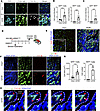 Figure 3
Intravital tracing of MG/Mϕ in bAVM territories in KRASG12V/bEC mice. (A) Representative immunofluorescence images showing the dense accumulation of both MG and Mϕ around bAVM vasculature. The dual-reporter Cx3cr1-gfp;Ccr2-rfp mice at 6 weeks after AAV-BR1-KRASG12V injection were used to visualize the spatial relationship between MG (CX3cr1-GFP, green), Mϕ (Ccr2-RFP, red), and vasculature (CD31; cyan) in bAVM territories. Note the enlarged lumens (asterisk) of vessels in the bAVM. Cx3cr1-GFP+ (green) microglia and Ccr2-RFP+ (red, arrow) Mϕ were more clustered around the bAVM territory, as compared with intact vessels. The arrows indicate colocalized activated Cx3cr1-GFP+ MG and infiltrated Ccr2-RFP+ blood-derived Mϕ at the enlarged bAVM vessels. Open arrow indicates Ccr2-RFP+ alone. Scale bar: 50 μm. (B and C) Bar graphs quantifying numbers of Cx3cr1-GFP+ MG or Ccr2-RFP+ Mϕ (B) and the coexpressed Cx3cr1-GFP+/Ccr2-RFP+ cells (C) around intact vessels versus bAVM-containing territories. Unpaired, 2-tailed t test. ***P < 0.001. Each dot indicates a randomly selected ROI (n = 8–9) obtained from mice (n = 3 per group). (D) A glass cranial window was implanted in the skull 1 week after AAV-BR1-KRASG12V injection in Cx3cr1-gfp;Ccr2-rfp mice. Four weeks later, intravital imaging was performed. (E) Representative immunofluorescence images indicating Cx3cr1-GFP+ MG and CCR2-RFP+ Mϕ around WGA-CF405+ dysplastic/malformed vessels in Cx3cr1-gfp;Ccr2-rfp mice. Scale bar: 100 μm. (F) Representative magnified images of white insets in E show the dense clustering of Cx3cr1-GFP+ MG and CCR2-RFP+ Mϕ in malformed vessels compared with intact. Scale bar: 50 μm. (G) Bar graphs quantifying numbers of Cx3cr1-GFP+ MG (GFP fluorescence pixel area) and Ccr2-RFP+ Mϕ (number of RFP+ cells) around dysplastic bAVM vessels compared to intact. All images were acquired by maximal projection. Z-stacks = 33 μm. Unpaired, 2-tailed t test. ***P < 0.001. Each dot indicates a randomly selected ROI (n = 6–8) obtained from mice (n = 3 per group). (H) Intravital time-lapse imaging captured from the inset (yellow box) in E shows the dynamic infiltration of Ccr2-RFP+ Mϕ from the dysplastic vessel lumen into the parenchyma. White arrows indicate the dynamic position of Ccr2-RFP+ cells (red). Dotted lines indicate the boundary between blood vessels and parenchyma. Scale bar: 20 μm.
Although there are studies that show monocyte infiltration into bAVMs (18, 19), the live-cell dynamics of MG activation/Mϕ recruitment into malformed vessels has not been studied. Using intravital analysis with Cx3cr1-gfp;Ccr2-rfp mice, we established myeloid cell tracing in KRASG12V mice at 5 weeks after bAVM induction. To visualize the dysplastic bAVM vessels, we injected wheat germ agglutinin (WGA)-CF405 (blue) (Figure 3D). Using this approach, the MG/Mϕ were readily observed in bAVM territories (Figure 3, E–G). MG (Cx3cr1-GFP+ cells) showed activated morphology, identified by their thick branches and enlarged soma. We also detected the presence of more round-looking Mϕ (Ccr2-RFP+ cells) that were located in parenchyma adjacent to bAVM vessels (Figure 3, F and H). Remarkably, this time-lapse approach was able to capture Mϕ extravasation at the site of the dysplastic vessels in bAVMs (Figure 3H and Supplemental Video 3). These data indicate that KRAS mutation–induced bAVM triggers the active recruitment of Mϕ from the circulation into bAVM territories. Notably, the intact WGA-CF405–labeled vessels exhibited a linear and continuous shape compared with the fragmented and tangled morphology of dysplastic bAVM vessels (34, 35) (Supplemental Figure 3), suggesting that the Cx3cr1-GFP+ MG and Ccr2-RFP+ Mϕ around the fragmented WGA-CF405–labeled vessels may contribute to BBB leakage.
Together, the results reported here indicate that the MG activation/Mϕ recruitment process may occur before hemorrhagic conversion, suggesting that MG/Mϕ-mediated inflammatory responses within bAVMs may precede bleeding.
Inflammation associated with MG activation and Mϕ infiltration of bAVMs is a potential contributor to ICH in KRASG12V/bEC mice. The results of intravital imaging, suggesting that MG activation and Mϕ infiltration of bAVMs precedes hemorrhagic conversion, are consistent with our previous observations demonstrating the presence of activated MG at some of the matured bAVMs, without signs of hemorrhagic conversion, at 9 weeks after AAV-BR1-KRASG12V injection (15). Here, at an even earlier 4-week time point after AAV-BR1-KRASG12V, we found evidence of Iba1+ activated MG around unruptured dysplastic vessels, showing fewer parenchymal RBCs (Ter-119lo) as well as a markedly ruptured bAVM area (Ter-119hi) in the olfactory bulb (OB) (Figure 4, B and C). Interestingly, leakage of BSA-647, an indicator of BBB disruption, was still detected even in the unruptured bAVM area (Figure 4, B and D). Remarkably, the presence of Iba1+ cells correlated with the leakage of BSA-647 (Figure 4E).
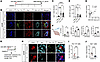 Figure 4
Early-stage–activated MG are responsible for the ICH occurrence in KRASG12V/bEC mice. (A) Brains were harvested 4 weeks after AAV-BR1-KRASG12V or AAV-BR1-eGFP (control) injection. (B) Representative immunofluorescence images showing robust Iba1+ MG and BSA-647 leakage in both ruptured (Ter-119hi) and unruptured (Ter-119lo) bAVM territory. Scale bar: 50 μm. (C–E) Bar graphs quantifying Iba1+ cell numbers (C) and area of BSA-647 leakage (D) in ruptured (Ter-119hi) and unruptured (Ter-119lo) bAVM territory compared with intact. Note that the BSA-647 leakage is correlated to the presence of Iba1+ cells (E). One-way ANOVA and Tukey’s multiple comparisons test and unpaired, 2-tailed t test. *P < 0.05; ***P < 0.001; ****P < 0.0001. NS, not significant. Each dot indicates a randomly selected ROI (n = 12–25) obtained from mice (n = 6 per group). (F) Bar graphs quantifying the increased mRNA levels of IL6, MMP2, TMEM119, or CSF1R in the dissected olfactory bulb (OB). Unpaired t test. *P < 0.05; **P < 0.01. Each dot indicates an individual mouse (n = 5 per group). The scheme was created with BioRender.com. (G) Clodronate liposomes (CLs) or control liposomes (Encapsome) were administered 1 week after AAV-BR1-KRASG12V injection. Brains were harvested 2 weeks after AAV-BR1-KRASG12V injection. (H) Representative immunofluorescence images showing reduced Iba1+ cells and Ter-119+ RBCs in CL-treated KRASG12V/bEC mice compared with control liposome–treated (Encapsome-treated) mice. Scale bar: 25 μm. (I and J) Bar graphs quantifying Ter-119+ RBCs in the parenchyma (I) and Iba1+ cells (J) in bAVM territories. Unpaired, 2-tailed t tests. ***P < 0.001, ****P < 0.0001. Each dot indicates a randomly selected ROI (n = 16) obtained from mice (n = 6 and 5 per group).
To substantiate the claim that these inflammatory MG at the early stage of bAVM genesis could enhance inflammation, we assessed the expression of inflammatory mediators. Because most bAVMs are detected in the frontal lobe, including the OB (15), we selected the OB for inflammatory marker analysis. The analysis revealed that bAVM-containing OB tissue had increased expression of mRNAs encoding IL-6 (IL6), matrix metalloproteinase-2 (MMP2), TMEM119, and colony-stimulating factor 1 receptor (CSF1R) (MG/Mϕ activation/proliferation markers), as compared with the OB from the AAV-BR1-eGFP–injected (control) mice (Figure 4F). These data suggest that local inflammation at the site of bAVMs has the propensity to affect microvascular stability and lead to hemorrhagic rupture (36).
Therefore, to test whether the MG/Mϕ are indeed causally associated with hemorrhagic conversion of bAVMs causing ICH, we treated mice with CLs or control liposomes, starting 1 week after AAV-BR1-KRASG12V injection (Figure 4G), to deplete MG/Mϕ (37). One week later, reduced bleeding with CLs was achieved by direct quantification of RBCs in the parenchyma, where they surround the AVM vasculature, as demonstrated by immunofluorescent staining for the RBC marker Ter-119 (Figure 4, H and I). This improved vascular stability with CLs was accompanied by a reduced presence of Iba1+ cells around the malformed vessels, compared with control liposome–treated mice, which robustly showed Iba1+ cells with thick branches and enlarged soma (Figure 4, H and J). Furthermore, we observed a substantial reduction in T2*-MRI–detected hemorrhages using volumetric analysis with ITK-SNAP software (see Methods) and reduced Ter-119+ RBCs, accompanied by reduced Iba1+ cells by CL treatment (Supplemental Figure 4). These findings with CL treatment provide additional evidence linking MG/Mϕ to AVM instability/ICH.
Depletion of MG/Mϕ attenuates hemorrhagic conversion in mice. To further test whether MG/Mϕ link the bAVM instability and ICH occurrence, we utilized tamoxifen- and diphtheria toxin–inducible (DT-inducible) iDTR mice, which specifically deplete MG/Mϕ (38). To minimize the MG/Mϕ repopulation, DT was repeatedly administered on weeks 3 and 4 and mice euthanized within 4 days of the last injection (Figure 5A). Five weeks after AAV-BR1-KRASG12V injection, the iDTR mice treated with tamoxifen/DT showed a marked reduction in Iba1+ cells in both intact and bAVM areas compared with control mice (Figure 5, B and C). Remarkably, the number of Iba1+ cells was not substantially different between intact and bAVM areas in iDTR mice (Figure 5C). Notably, the infiltration of Ter-119+ RBCs into the parenchyma was substantially attenuated, while the CD31+ bAVM areas showed no difference in the iDTR mice compared with control (Figure 5, D–F). Our data show that MG/Mϕ specifically contribute to hemorrhagic conversion in the bAVM area.
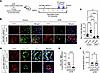 Figure 5
Genetic depletion of MG/Mϕ attenuates ICH in KRASG12V/bEC mice. (A) iDTR mice (Cxcr1-cre/ERT2;Rosa26-iDTR) and control mice (Cxcr1-cre/ERT2;WT or WT;Rosa26-iDTR) mice were fed with tamoxifen containing food starting 1 week before injection of AAV-BR1-KRASG12V. To deplete the Cx3cr1+ MG/Mϕ, diphtheria toxin (DT) was administered 3 weeks and 4 weeks after AAV-BR1-KRASG12V injection. (B) Representative immunofluorescence images showing reduced Iba1+ MG and Mϕ in intact and bAVM territory in iDTR mice compared with control. Scale bar: 50 μm. (C) Bar graph quantifying number of Iba1+ cells in control and iDTR mice. One-way ANOVA with Tukey’s multiple comparisons test. **P < 0.01; ****P < 0.0001. NS, not significant. Each dot indicates a randomly selected ROI (n = 17–21) obtained from mice (n = 6–8 per group). (D) Representative immunofluorescence images showing reduced Ter-119+ RBCs and Iba1+ cells in bAVM territory from iDTR mice compared with control. Scale bars: 50 μm. (E and F) Bar graphs quantifying infiltrated Ter-119+ RBCs (E) and CD31+ bAVM area (F) in control and iDTR mice. Unpaired, 2-tailed t test. **P < 0.01, ****P < 0.0001. Each dot indicates a randomly selected ROI (n = 15–24) obtained from mice (n = 6–8 per group).
MG/Mϕ dynamically respond to antiinflammatory strategies in KRASG12V/bEC mice. An abundance of MG (Cx3cr1-GFP+ cells) was present at bAVM locations (Figure 3A). They displayed heterogeneous morphologies, including ramified (quiescent), bushy (intermediate activation), and amoeboid (activated and phagocytic) shapes (15, 39). This diversity in MG morphology is a key indicator of their activation stage. Notably, we found a high number of MG showing activated morphology at the bAVM location (Figure 6, B and C). Using this approach of MG activity assessment, we tested whether the destabilization of malformed vessels from early to mature stages of bAVM growth, which could lead to ICH, involved changes in MG activation and Mϕ infiltration. We induced bAVM in Cx3cr1-gfp;Ccr2-rfp mice and then 2 weeks later (to allow time for minocycline to interfere with bAVM formation) treated them with antiinflammatory minocycline (40) (Figure 6A). After 4 weeks of treatment, we found that minocycline substantially attenuated the activation of MG (Cx3cr1+ cells) and reduced infiltration of Mϕ (Ccr2+ cells) (Figure 6B). The total number of MG/Mϕ was lower at the bAVMs of minocycline-treated groups (Figure 6, C and D). The number of amoeboid-shaped MG, indication their phagocytic activation, was drastically reduced by minocycline, while the number of ramified nonactivated MG was unchanged (Figure 6C). Our data provide evidence that minocycline reduces inflammation in bAVMs through inhibiting MG activation and reducing Mϕ recruitment to the bAVM area. Moreover, using direct histology, we quantified MG/Mϕ using an intravital imaging approach with a glass window implanted in skulls of the Cx3cr1-gfp;Ccr2-rfp/AAV-BR1-KRASG12V mice. To study the effect of minocycline on the fate of mature bAVMs in this experiment, we initiated minocycline treatment 5 weeks after induction of bAVMs with AAV-BR1-KRASG12V (Figure 6E). Examination of these mice revealed that activated MG (GFP+/green cells having thick branches with enlarged soma) and infiltrated Mϕ (RFP+/red, round-shaped cells) were abundant in bAVM territories 5 weeks after bAVM induction (Figure 6, F and G). Remarkably, only 1 week of treatment with minocycline was sufficient to reduce the abundance of bAVM-associated MG/Mϕ in these mice (Figure 6, G–I). It is important to note that animals treated with PBS, instead of minocycline, showed increased MG numbers and Mϕ infiltration, suggesting an ongoing progression of inflammation in the bAVM territory between weeks 5 and 6 (Figure 6, F, H, and I).
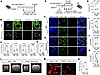 Figure 6
Minocycline reduces activation of MG and recruitment of Mϕ toward bAVM territories in KRASG12V/bEC mice. (A) KRASG12V/bEC mice received daily minocycline for 4 weeks starting 2 weeks after AAV-BR1-KRASG12V injection, and then mice were imaged with T2*-weighted MRI and brains were analyzed at 6 weeks. (B) Representative immunofluorescence images showing attenuated clustering of Cx3cr1-GFP+ MG and Ccr2-RFP+ Mϕ around CD31+ (vessel, cyan) bAVM territory in KRASG12V/bEC mice treated with minocycline compared with PBS. Scale bar: 50 μm. (C and D) Bar graphs quantifying numbers of Cx3cr1-GFP+ MG for total, ramified, bushy, and amoeboid based on morphology assessment (C) or total numbers of Ccr2-RFP+ Mϕ (D) in the bAVM territory between KRASG12V/bEC mice treated with minocycline or PBS. Unpaired, 2-tailed t test. ***P < 0.001. Each dot indicates a randomly selected ROI (n = 9–10) obtained from mice (n = 5 per group). (E) KRASG12V/bEC mice received minocycline once every 2 days, 4 times in total, starting 5 weeks after AAV-BR1-KRASG12V injection. The mice were observed with intravital imaging before and after the treatment. (F and G) Representative immunofluorescence images showing reduced clustering of Cx3cr1-GFP+ MG and Ccr2-RFP+ Mϕ in WGA-CF405–labeled dysplastic bAVM vessels in KRASG12V/bEC mice treated with minocycline (G) compared with PBS (F). Scale bar: 50 μm. (H–K) Bar graphs quantifying Cx3cr1-GFP+ MG (H and I, fluorescent pixel area) and Ccr2-RFP+ Mϕ (J and K, count of RFP+ cells) around dysplastic bAVM vessels. Individual ROIs were compared between pre- and posttreatment results for PBS- and minocycline-treated groups, respectively. A traced ROI compared between time points highlights the rapid reduction of GFP- and RFP-expressing cells following treatment with minocycline. Unpaired, 2-tailed t test. **P < 0.01. Each dot indicates a randomly selected ROI (n = 5–8) obtained from mice (n = 3 per group). (L and M) Representative T2*-weighted MRI (L) and ITK-SNAP volumetric images (M) show that minocycline reduced the ICH lesions in KRASG12V/bEC mice. (N) Bar graphs quantifying ICH volume. Unpaired, 2-tailed t test. **P < 0.01. Each dot indicates the hemorrhagic volume of an individual mouse (n = 4–5 per group). NS, not significant.
Inactivating MG/Mϕ attenuates hemorrhagic conversion in the destabilized, malformed vessels of KRASG12V/bEC mice. Next, we probed whether inhibition of MG activation and Mϕ infiltration with minocycline reduces hemorrhagic conversion of bAVMs. We treated mice with minocycline from 2 to 6 weeks after AAV-BR1-KRASG12V injection and quantified the volume of ICHs at the end of minocycline treatment using T2*-weighted MRI imaging and ITK-SNAP software (Figure 6L). Strikingly, minocycline robustly reduced bAVM-associated hemorrhages and ICH volume compared with PBS-treated mice (Figure 6, L–N, and Supplemental Figure 5), indicating that treatment with minocycline during bAVM formation potently attenuated hemorrhagic conversion.
Although the data with minocycline during bAVM development provide conceptual evidence for a pivotal role for MG/Mϕ in the destabilization of growing bAVMs, the more therapeutically relevant approach is to establish whether minocycline could stabilize and prevent hemorrhagic conversion of mature bAVMs, similar to what we tested with intravital analysis (Figure 6, E–K). Thus, 6 weeks after AAV-BR1-KRASG12V injection, KRASG12V/bEC mice were treated with minocycline, a time point when bAVMs are typically matured and exhibit hemorrhages (Figure 7A). After 4 weeks of treatment with minocycline or PBS every other day, this delayed treatment with minocycline substantially attenuated vascular disruption, as demonstrated by reduced visual morphological evidence of brain surface hemorrhages (Figure 7, B and C) and histological evidence of bleeding (Ter-119+ RBCs), compared with mice receiving PBS (Figure 7, D and E). The vascular disruption, indicated by the loss of BBB genes, was tested by identifying the decreased gene levels of BBB junction markers, including CDH5, TJP1, OCLN, and CLDN5 in unruptured human bAVM tissues using a published scRNA-seq dataset (30) (Supplemental Figure 6). To further validate the BBB loss in KRASG12V/bEC mice, we established loss of vascular integrity by showing the loss of VE-cadherin (CDH5) on the CD31+ malformed vessels and demonstrated that treatment with minocycline attenuated this VE-cadherin loss (Figure 7, F and G). Importantly, KRASG12V/bEC mice receiving minocycline or PBS showed a similar abundance of CD31, suggesting that minocycline treatment at later stages has no effect on further bAVM growth (Figure 7, F and H). Notably, the attenuation of hemorrhagic events and the preservation of endothelial VE-cadherin were associated with the attenuation of MG activation and Mϕ infiltration within bAVM territories (Figure 7I).
 Figure 7
Posttreatment with minocycline attenuates ICH in KRASG12V/bEC mice. (A) KRASG12V/bEC mice received minocycline for 4 weeks, every 2 days, starting from 6 weeks after AAV-BR1-KRASG12V injection, and the brains were analyzed at 10 weeks. (B and C) Representative images showing surface hemorrhages in KRASG12V/bEC mice treated with PBS or minocycline (B). D indicates dorsal view. V indicates ventral view. (C) Bar graphs quantifying the number of surface hemorrhages. Unpaired, 2-tailed t test. *P < 0.05. Each dot indicates the mean number of surface hemorrhages from an individual mouse (n = 6 per group). (D and E) Representative immunofluorescence images showing reduced Ter-119+ RBCs and Iba1+ MG/Mϕ in KRASG12V/bEC mice receiving posttreatment minocycline compared with PBS (D). Scale bar: 50 μm. (E) Bar graphs quantifying the number of Ter-119+ RBCs in the parenchyma. Unpaired, 2-tailed t test. **P < 0.01. Each dot indicates a randomly selected ROI (n = 30–34) from mice (n = 6–7 per group). (F) Representative immunofluorescence images showing reduced Iba1+ MG/Mϕ and restored VE-cadherin. Scale bar: 50 μm. (G and H) Bar graphs quantifying VE-cadherin+ fluorescence intensity (G) and CD31+ vessel area (H). **P < 0.01; ****P < 0.0001 by 1-way ANOVA with Tukey’s multiple comparisons test (G) or unpaired, 2-tailed t test (H). Each dot indicates a randomly selected ROI (G, n = 21–26; H, n = 27–30) obtained from mice (n = 6–7 per group). (I) Bar graphs quantifying numbers of Iba1+ MG/Mϕ for total, ramified, bushy, and amoeboid based on morphology assessment in the bAVM territory between KRASG12V/bEC mice treated with minocycline or PBS. Unpaired, 2-tailed t test. *P < 0.05, ***P < 0.001. Each dot indicates a randomly selected ROI (n = 19–20) obtained from mice (n = 6–7 per group). NS, not significant.
Finally, we tested whether minocycline treatment maintains a long-lasting effect on the attenuated hemorrhagic conversion in bAVM mice. Cx3cr1-gfp;Ccr2-rfp mice injected with AAV-BR1-KRASG12V were treated with minocycline from 2 to 6 weeks, followed by a 4-week drug-off period (Figure 8A). Ten weeks after AAV-BR1-KRASG12V injection, the bAVM area displayed that MG are less activated by exhibiting the lower bushy/activated Cx3cr1-GFP+ MG and a reduced number of infiltrated Ccr2-RFP+ Mϕ (Figure 8, B–D), accompanied by fewer Ter-119+ RBCs than the PBS-treated group (Figure 8E). The CD31+ bAVM area did not change after the drug-off period (Figure 8F). Additionally, there were no sex differences in the numbers of Cx3cr1-GFP+ MG and Ccr2-RFP+ Mϕ, RBCs, and CD31+ bAVM areas in male and female bAVM mice that received either PBS or minocycline (Supplemental Figure 7). Furthermore, the drug-off period between 10 and 14 weeks after minocycline treatment from 6 to 10 weeks showed a substantial attenuation of RBC infiltration and Iba1+ cell activation/infiltration (Supplemental Figure 8). The data suggest that the drug-off period does not affect the return of MG activation/Mϕ infiltration and maintains a long-lasting effect in attenuating hemorrhagic conversion. Regarding whether minocycline could reduce systolic blood pressure (41), the measurement of chronic blood pressure of KRASG12V/bEC mice treated with minocycline did not show a substantial difference compared to the control (Supplemental Figure 9 and Supplemental Table 7). Taken together, these results suggest that treatment with minocycline, through inhibition of MG activation and Mϕ infiltration, may stabilize bAVMs and reduce further ICH risk.
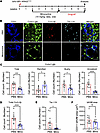 Figure 8
Minocycline exerts a sustained inhibitory effect on MG/Mϕ activation/infiltration in bAVMs following treatment cessation. (A) Male Cx3cr1-gfp/Ccr2-rfp mice daily received oral administration of minocycline from 2 to 6 weeks after AAV-BR1-KRASG12V injection, followed by drug withdrawal (drug-off) for 4 weeks. (B) Representative immunofluorescence images showing attenuated clustering of Cx3cr1-GFP+ MG and Ccr2-RFP+ Mϕ, and Ter-119+ RBCs around CD31+ (vessel, cyan) bAVM territory in KRASG12V/bEC mice treated with minocycline compared with PBS. Scale bar: 50 μm. (C–F) Bar graphs quantifying numbers of Cx3cr1-GFP+ MG for total, ramified, bushy, and amoeboid based on morphology assessment (C), total numbers of Ccr2-RFP+ Mϕ (D), numbers of infiltrated Ter-119+ RBCs in parenchyma (E), or area of CD31+ bAVMs (F) in the bAVM territory between KRASG12V/bEC mice treated with minocycline or PBS. Unpaired, 2-tailed t test. *P < 0.05, ***P < 0.001, ****P < 0.0001. Each dot indicates a randomly selected ROI (n = 12) from mice (n = 6 per group). NS, not significant.


