
Research ArticleAIDS/HIVImmunology
Open Access |  10.1172/jci.insight.203593
HLA-E–restricted T cells primed by a modified HLA-B*57:01–restricted HIV-1 peptide suppress HIV-1 replication
Hong Sun,1,2,3 Hongbing Yang,1,2 Max N. Quastel,1 Simon Brackenridge,1 Wanlin He,1,4 Anna E. Kliszczak,1 Margarida Rei,5,6 Persephone Borrow,1 Geraldine M. Gillespie,1 and Andrew J. McMichael1,2
1Centre for Immuno-Oncology, Nuffield Department of Clinical Medicine, University of Oxford, Oxford, United Kingdom.
2Chinese Academy of Medical Sciences Oxford Institute, Oxford, United Kingdom.
3State Key Laboratory for Diagnosis and Treatment of Infectious Diseases, NHC Key Laboratory of AIDS Prevention and Treatment, National Clinical Research Center for Laboratory Medicine, The First Hospital of China Medical University, China Medical University, Shenyang, China.
4State Key Laboratory of Oral Diseases and National Center for Stomatology and National Clinical Research Center for Oral Diseases, West China Hospital of Stomatology, Sichuan University, Chengdu, China.
5Gulbenkian Institute for Molecular Medicine, Lisbon, Portugal.
6Faculdade de Medicina, Universidade de Lisboa, Lisbon, Portugal.
Address correspondence to: Andrew J. McMichael or Geraldine M. Gillespie, Centre for Immuno-Oncology, Old Road Campus Research Building, Oxford OX3 7DQ, United Kingdom. Phone: 44.7505.992806; Email: andrew.mcmichael@ndm.ox.ac.uk (AJM). Email: geraldine.gillespie@ndm.ox.ac.uk (GMG). Or to: Hong Sun, State Key Laboratory for Diagnosis and Treatment of Infectious Diseases, NHC Key Laboratory of AIDS Prevention and Treatment, National Clinical Research Center for Laboratory Medicine, The First Hospital of China Medical University, China Medical University, Heping District, Shenyang, Shenyang, China, 110001. Email: hongsunm@hotmail.com.
Find articles by Sun, H. in: PubMed | Google Scholar
1Centre for Immuno-Oncology, Nuffield Department of Clinical Medicine, University of Oxford, Oxford, United Kingdom.
2Chinese Academy of Medical Sciences Oxford Institute, Oxford, United Kingdom.
3State Key Laboratory for Diagnosis and Treatment of Infectious Diseases, NHC Key Laboratory of AIDS Prevention and Treatment, National Clinical Research Center for Laboratory Medicine, The First Hospital of China Medical University, China Medical University, Shenyang, China.
4State Key Laboratory of Oral Diseases and National Center for Stomatology and National Clinical Research Center for Oral Diseases, West China Hospital of Stomatology, Sichuan University, Chengdu, China.
5Gulbenkian Institute for Molecular Medicine, Lisbon, Portugal.
6Faculdade de Medicina, Universidade de Lisboa, Lisbon, Portugal.
Address correspondence to: Andrew J. McMichael or Geraldine M. Gillespie, Centre for Immuno-Oncology, Old Road Campus Research Building, Oxford OX3 7DQ, United Kingdom. Phone: 44.7505.992806; Email: andrew.mcmichael@ndm.ox.ac.uk (AJM). Email: geraldine.gillespie@ndm.ox.ac.uk (GMG). Or to: Hong Sun, State Key Laboratory for Diagnosis and Treatment of Infectious Diseases, NHC Key Laboratory of AIDS Prevention and Treatment, National Clinical Research Center for Laboratory Medicine, The First Hospital of China Medical University, China Medical University, Heping District, Shenyang, Shenyang, China, 110001. Email: hongsunm@hotmail.com.
Find articles by Yang, H. in: PubMed | Google Scholar
1Centre for Immuno-Oncology, Nuffield Department of Clinical Medicine, University of Oxford, Oxford, United Kingdom.
2Chinese Academy of Medical Sciences Oxford Institute, Oxford, United Kingdom.
3State Key Laboratory for Diagnosis and Treatment of Infectious Diseases, NHC Key Laboratory of AIDS Prevention and Treatment, National Clinical Research Center for Laboratory Medicine, The First Hospital of China Medical University, China Medical University, Shenyang, China.
4State Key Laboratory of Oral Diseases and National Center for Stomatology and National Clinical Research Center for Oral Diseases, West China Hospital of Stomatology, Sichuan University, Chengdu, China.
5Gulbenkian Institute for Molecular Medicine, Lisbon, Portugal.
6Faculdade de Medicina, Universidade de Lisboa, Lisbon, Portugal.
Address correspondence to: Andrew J. McMichael or Geraldine M. Gillespie, Centre for Immuno-Oncology, Old Road Campus Research Building, Oxford OX3 7DQ, United Kingdom. Phone: 44.7505.992806; Email: andrew.mcmichael@ndm.ox.ac.uk (AJM). Email: geraldine.gillespie@ndm.ox.ac.uk (GMG). Or to: Hong Sun, State Key Laboratory for Diagnosis and Treatment of Infectious Diseases, NHC Key Laboratory of AIDS Prevention and Treatment, National Clinical Research Center for Laboratory Medicine, The First Hospital of China Medical University, China Medical University, Heping District, Shenyang, Shenyang, China, 110001. Email: hongsunm@hotmail.com.
Find articles by Quastel, M. in: PubMed | Google Scholar
1Centre for Immuno-Oncology, Nuffield Department of Clinical Medicine, University of Oxford, Oxford, United Kingdom.
2Chinese Academy of Medical Sciences Oxford Institute, Oxford, United Kingdom.
3State Key Laboratory for Diagnosis and Treatment of Infectious Diseases, NHC Key Laboratory of AIDS Prevention and Treatment, National Clinical Research Center for Laboratory Medicine, The First Hospital of China Medical University, China Medical University, Shenyang, China.
4State Key Laboratory of Oral Diseases and National Center for Stomatology and National Clinical Research Center for Oral Diseases, West China Hospital of Stomatology, Sichuan University, Chengdu, China.
5Gulbenkian Institute for Molecular Medicine, Lisbon, Portugal.
6Faculdade de Medicina, Universidade de Lisboa, Lisbon, Portugal.
Address correspondence to: Andrew J. McMichael or Geraldine M. Gillespie, Centre for Immuno-Oncology, Old Road Campus Research Building, Oxford OX3 7DQ, United Kingdom. Phone: 44.7505.992806; Email: andrew.mcmichael@ndm.ox.ac.uk (AJM). Email: geraldine.gillespie@ndm.ox.ac.uk (GMG). Or to: Hong Sun, State Key Laboratory for Diagnosis and Treatment of Infectious Diseases, NHC Key Laboratory of AIDS Prevention and Treatment, National Clinical Research Center for Laboratory Medicine, The First Hospital of China Medical University, China Medical University, Heping District, Shenyang, Shenyang, China, 110001. Email: hongsunm@hotmail.com.
Find articles by Brackenridge, S. in: PubMed | Google Scholar
1Centre for Immuno-Oncology, Nuffield Department of Clinical Medicine, University of Oxford, Oxford, United Kingdom.
2Chinese Academy of Medical Sciences Oxford Institute, Oxford, United Kingdom.
3State Key Laboratory for Diagnosis and Treatment of Infectious Diseases, NHC Key Laboratory of AIDS Prevention and Treatment, National Clinical Research Center for Laboratory Medicine, The First Hospital of China Medical University, China Medical University, Shenyang, China.
4State Key Laboratory of Oral Diseases and National Center for Stomatology and National Clinical Research Center for Oral Diseases, West China Hospital of Stomatology, Sichuan University, Chengdu, China.
5Gulbenkian Institute for Molecular Medicine, Lisbon, Portugal.
6Faculdade de Medicina, Universidade de Lisboa, Lisbon, Portugal.
Address correspondence to: Andrew J. McMichael or Geraldine M. Gillespie, Centre for Immuno-Oncology, Old Road Campus Research Building, Oxford OX3 7DQ, United Kingdom. Phone: 44.7505.992806; Email: andrew.mcmichael@ndm.ox.ac.uk (AJM). Email: geraldine.gillespie@ndm.ox.ac.uk (GMG). Or to: Hong Sun, State Key Laboratory for Diagnosis and Treatment of Infectious Diseases, NHC Key Laboratory of AIDS Prevention and Treatment, National Clinical Research Center for Laboratory Medicine, The First Hospital of China Medical University, China Medical University, Heping District, Shenyang, Shenyang, China, 110001. Email: hongsunm@hotmail.com.
Find articles by He, W. in: PubMed | Google Scholar
1Centre for Immuno-Oncology, Nuffield Department of Clinical Medicine, University of Oxford, Oxford, United Kingdom.
2Chinese Academy of Medical Sciences Oxford Institute, Oxford, United Kingdom.
3State Key Laboratory for Diagnosis and Treatment of Infectious Diseases, NHC Key Laboratory of AIDS Prevention and Treatment, National Clinical Research Center for Laboratory Medicine, The First Hospital of China Medical University, China Medical University, Shenyang, China.
4State Key Laboratory of Oral Diseases and National Center for Stomatology and National Clinical Research Center for Oral Diseases, West China Hospital of Stomatology, Sichuan University, Chengdu, China.
5Gulbenkian Institute for Molecular Medicine, Lisbon, Portugal.
6Faculdade de Medicina, Universidade de Lisboa, Lisbon, Portugal.
Address correspondence to: Andrew J. McMichael or Geraldine M. Gillespie, Centre for Immuno-Oncology, Old Road Campus Research Building, Oxford OX3 7DQ, United Kingdom. Phone: 44.7505.992806; Email: andrew.mcmichael@ndm.ox.ac.uk (AJM). Email: geraldine.gillespie@ndm.ox.ac.uk (GMG). Or to: Hong Sun, State Key Laboratory for Diagnosis and Treatment of Infectious Diseases, NHC Key Laboratory of AIDS Prevention and Treatment, National Clinical Research Center for Laboratory Medicine, The First Hospital of China Medical University, China Medical University, Heping District, Shenyang, Shenyang, China, 110001. Email: hongsunm@hotmail.com.
Find articles by Kliszczak, A. in: PubMed | Google Scholar
1Centre for Immuno-Oncology, Nuffield Department of Clinical Medicine, University of Oxford, Oxford, United Kingdom.
2Chinese Academy of Medical Sciences Oxford Institute, Oxford, United Kingdom.
3State Key Laboratory for Diagnosis and Treatment of Infectious Diseases, NHC Key Laboratory of AIDS Prevention and Treatment, National Clinical Research Center for Laboratory Medicine, The First Hospital of China Medical University, China Medical University, Shenyang, China.
4State Key Laboratory of Oral Diseases and National Center for Stomatology and National Clinical Research Center for Oral Diseases, West China Hospital of Stomatology, Sichuan University, Chengdu, China.
5Gulbenkian Institute for Molecular Medicine, Lisbon, Portugal.
6Faculdade de Medicina, Universidade de Lisboa, Lisbon, Portugal.
Address correspondence to: Andrew J. McMichael or Geraldine M. Gillespie, Centre for Immuno-Oncology, Old Road Campus Research Building, Oxford OX3 7DQ, United Kingdom. Phone: 44.7505.992806; Email: andrew.mcmichael@ndm.ox.ac.uk (AJM). Email: geraldine.gillespie@ndm.ox.ac.uk (GMG). Or to: Hong Sun, State Key Laboratory for Diagnosis and Treatment of Infectious Diseases, NHC Key Laboratory of AIDS Prevention and Treatment, National Clinical Research Center for Laboratory Medicine, The First Hospital of China Medical University, China Medical University, Heping District, Shenyang, Shenyang, China, 110001. Email: hongsunm@hotmail.com.
Find articles by Rei, M. in: PubMed | Google Scholar
1Centre for Immuno-Oncology, Nuffield Department of Clinical Medicine, University of Oxford, Oxford, United Kingdom.
2Chinese Academy of Medical Sciences Oxford Institute, Oxford, United Kingdom.
3State Key Laboratory for Diagnosis and Treatment of Infectious Diseases, NHC Key Laboratory of AIDS Prevention and Treatment, National Clinical Research Center for Laboratory Medicine, The First Hospital of China Medical University, China Medical University, Shenyang, China.
4State Key Laboratory of Oral Diseases and National Center for Stomatology and National Clinical Research Center for Oral Diseases, West China Hospital of Stomatology, Sichuan University, Chengdu, China.
5Gulbenkian Institute for Molecular Medicine, Lisbon, Portugal.
6Faculdade de Medicina, Universidade de Lisboa, Lisbon, Portugal.
Address correspondence to: Andrew J. McMichael or Geraldine M. Gillespie, Centre for Immuno-Oncology, Old Road Campus Research Building, Oxford OX3 7DQ, United Kingdom. Phone: 44.7505.992806; Email: andrew.mcmichael@ndm.ox.ac.uk (AJM). Email: geraldine.gillespie@ndm.ox.ac.uk (GMG). Or to: Hong Sun, State Key Laboratory for Diagnosis and Treatment of Infectious Diseases, NHC Key Laboratory of AIDS Prevention and Treatment, National Clinical Research Center for Laboratory Medicine, The First Hospital of China Medical University, China Medical University, Heping District, Shenyang, Shenyang, China, 110001. Email: hongsunm@hotmail.com.
Find articles by
Borrow, P.
in:
PubMed
|
Google Scholar
|

1Centre for Immuno-Oncology, Nuffield Department of Clinical Medicine, University of Oxford, Oxford, United Kingdom.
2Chinese Academy of Medical Sciences Oxford Institute, Oxford, United Kingdom.
3State Key Laboratory for Diagnosis and Treatment of Infectious Diseases, NHC Key Laboratory of AIDS Prevention and Treatment, National Clinical Research Center for Laboratory Medicine, The First Hospital of China Medical University, China Medical University, Shenyang, China.
4State Key Laboratory of Oral Diseases and National Center for Stomatology and National Clinical Research Center for Oral Diseases, West China Hospital of Stomatology, Sichuan University, Chengdu, China.
5Gulbenkian Institute for Molecular Medicine, Lisbon, Portugal.
6Faculdade de Medicina, Universidade de Lisboa, Lisbon, Portugal.
Address correspondence to: Andrew J. McMichael or Geraldine M. Gillespie, Centre for Immuno-Oncology, Old Road Campus Research Building, Oxford OX3 7DQ, United Kingdom. Phone: 44.7505.992806; Email: andrew.mcmichael@ndm.ox.ac.uk (AJM). Email: geraldine.gillespie@ndm.ox.ac.uk (GMG). Or to: Hong Sun, State Key Laboratory for Diagnosis and Treatment of Infectious Diseases, NHC Key Laboratory of AIDS Prevention and Treatment, National Clinical Research Center for Laboratory Medicine, The First Hospital of China Medical University, China Medical University, Heping District, Shenyang, Shenyang, China, 110001. Email: hongsunm@hotmail.com.
Find articles by Gillespie, G. in: PubMed | Google Scholar
1Centre for Immuno-Oncology, Nuffield Department of Clinical Medicine, University of Oxford, Oxford, United Kingdom.
2Chinese Academy of Medical Sciences Oxford Institute, Oxford, United Kingdom.
3State Key Laboratory for Diagnosis and Treatment of Infectious Diseases, NHC Key Laboratory of AIDS Prevention and Treatment, National Clinical Research Center for Laboratory Medicine, The First Hospital of China Medical University, China Medical University, Shenyang, China.
4State Key Laboratory of Oral Diseases and National Center for Stomatology and National Clinical Research Center for Oral Diseases, West China Hospital of Stomatology, Sichuan University, Chengdu, China.
5Gulbenkian Institute for Molecular Medicine, Lisbon, Portugal.
6Faculdade de Medicina, Universidade de Lisboa, Lisbon, Portugal.
Address correspondence to: Andrew J. McMichael or Geraldine M. Gillespie, Centre for Immuno-Oncology, Old Road Campus Research Building, Oxford OX3 7DQ, United Kingdom. Phone: 44.7505.992806; Email: andrew.mcmichael@ndm.ox.ac.uk (AJM). Email: geraldine.gillespie@ndm.ox.ac.uk (GMG). Or to: Hong Sun, State Key Laboratory for Diagnosis and Treatment of Infectious Diseases, NHC Key Laboratory of AIDS Prevention and Treatment, National Clinical Research Center for Laboratory Medicine, The First Hospital of China Medical University, China Medical University, Heping District, Shenyang, Shenyang, China, 110001. Email: hongsunm@hotmail.com.
Find articles by
McMichael, A.
in:
PubMed
|
Google Scholar
|
Published May 19, 2026 - More info
JCI Insight. 2026;11(14):e203593. https://doi.org/10.1172/jci.insight.203593.
© 2026 Sun et al. This work is licensed under the Creative Commons Attribution 4.0 International License. To view a copy of this license, visit http://creativecommons.org/licenses/by/4.0/.
Received: January 2, 2026; Accepted: May 13, 2026


-
Results
A mutant peptide of HIV Gag KF11 binds robustly to HLA-E molecule. An immunodominant HLA-B*57:01–restricted epitope, HIV Gag162-172 KAFSPEVIPMF (KF11), was recently reported to also be presented by HLA-E*01:01 (20). In that study, a genetically modified HLA-E–expressing 721.221 cell line was peptide-pulsed and shown to be recognized by T cells from a subset of patients with HIV after coculture. However, these HLA-E–restricted T cell responses were predominantly detected in HLA-B*57–positive donors, and it was not possible to visualize the T cells directly using KF11/HLA-E multimers. To confirm and extend this finding, we first constructed single-chain peptide-β2-microglobulin (β2m)–HLA-E (HLA-E*01:03) trimers (SCTs) and transfected them into HEK293T cells to assess whether KF11 could stabilize and enhance the cell surface expression of HLA-E detected by flow cytometry. The result showed that there was detectable binding of KF11 to HLA-E when stabilized in the SCT format (Figure 1A). We further evaluated the binding of KF11 to HLA-E*01:03 using differential scanning fluorimetry (DSF), which measures the melting temperature (Tm) of the peptide–HLA-E complex (pHLA-E). Since we can generate peptide-free HLA-E-β2m complexes (7), we were able to directly add excess peptide to these complexes. At a 10 M excess peptide concentration over HLA-E, the Tm of WT KF11 bound to HLA-E was 43.7°C, which was only slightly higher than the no-rescue peptide control at 41.3°C. This indicates very weak binding to HLA-E. The positive finding with the SCT probably reflects the tethering of the peptide to the HLA-E molecule, enabling peptide to rebind repeatedly after dissociation.
 Figure 1
Identification of a mutant peptide of HIV Gag-derived KF11 as an HLA-E binding peptide. (A) Binding of the HIV Gag162-172 KAFSPEVIPMF (KF11) to HLA-E was evaluated using the single chain trimer (SCT) expression assay with VMAPRTLLL (VL9) included as a positive control. (B) The thermal melt (Tm) values of peptide-free HLA-E-β2m complexes incubated with 10 M excess of KF11 and the peptide position 2 alanine to methionine variant peptide (KMF11) was assessed by nano-differential scanning fluorography (nano-DSF). The positive control VL9 and mock no-peptide control were included for reference. The dot plot shows 3 biological replicates per peptide, presented as mean ± SD. Two technical replicates per peptide were measured per run. (C) Flow cytometry analysis of SCT expression demonstrated the binding potential of the mutant peptide KMF11 compared with the VL9 positive control. (D) HLA-E binding to KF11 and KMF11 were subsequently assessed using the peptide-exchange HLA-E peptide binding ELISA (25). The bar chart illustrates the raw absorbance value at 450 nm (y axis) of tested peptides, including KF11, KMF11, RL9HIV, positive control VL9, and no-rescue negative control, which included the same concentration of DMSO used for the test peptides (x axis). Data shown as mean ± SD. Statistical significance was assessed using 1-way ANOVA with Dunnett’s multiple-comparison test. ****P < 0.0001. For ELISA-based screens, 3 independent peptide exchange reactions were performed per individual peptide (n = 3), with 2 technical replicas per peptide tested. (E) The heatmap denotes the ranking of HLA-E binding strength data obtained using the sandwich ELISA, indicated as percentage of VL9 binding. (F) Correlation of peptide-exchange HLA-E peptide binding ELISA reads and nano-DSF assay Tm data using Spearman’s correlation method. VL9, blue; KF11, pink; KMF11, red; RL9HIV, green; no-rescue, gray.
Given that the preferred amino acid anchor residue of HLA-E at position 2 is methionine (M), which is buried in the HLA class I B pocket (24), we substituted this amino acid for the position 2 alanine in KF11 to give the peptide KMFSPEVIPMF (KMF11). This mutant peptide dramatically increased binding to HLA-E (Tm = 50.6°C), compared with the WT KF11 peptide, and approached that of the dominant natural signal peptide VL9 (Figure 1B). An SCT assay incorporating the KMF11 peptide was subsequently performed and demonstrated that KMF11 stabilized HLA-E expression to a level comparable to that of the VL9 peptide (Figure 1C).
To further confirm these findings, we next tested binding of KF11 and KMF11 to HLA-E using a peptide-exchange ELISA, as previously described, with the HLA class I signal peptide VL9 as a positive control, and with a no-rescue peptide control using the same concentration of DMSO as for the tested peptide (18, 25). Very weak binding of KF11 to HLA-E was observed, amounting to 9.2% of the VL9 signal, and much lower than for the RL9HIV peptide (39.3% VL9). That level of binding of the RL9HIV peptide approached the minimum required for stable HLA-E tetramers and needs further stabilization strategies to generate reliable reagents (18) (Figure 1, D and E). In line with nano-DSF and SCT data, the mutant KMF11 dramatically increased binding, equating to 65.4% of the VL9 control (Figure 1E). The binding in the ELISA, measured as a percentage of VL9 binding, was highly correlated with the Tm result from the previous nano-DSF assay (Spearman’s correlation test R2 = 1.00, P = 0.0167, Figure 1F). Therefore, these data collectively indicate that the mutant peptide KMF11 binds strongly to HLA-E in comparison to the weakly binding WT KF11 peptide.
Because the side chain of the second amino acid in HLA-E binding peptides is buried in the B pocket of HLA-E (24), we propose that stabilized KMF11/HLA-E tetramers could be used to screen native KF11-specific TCRs with a good chance of detecting cross-reactive, KF11-specific T cells. This approach could offer a means of selecting these T cells for functional evaluation.
Generation of KMF11-specific HLA-E–restricted CD8+ T cells from primed T cells from healthy donors. We next tested whether KF11-specific HLA-E–restricted CD8+ T cells could be primed in vitro using the KMF11 peptide. We used PBMCs from 2 HIV-1–negative, HLA-B*57:01–negative blood donors (Supplemental Table 1; supplemental material available online with this article; https://doi.org/10.1172/jci.insight.203593DS1). T cells were primed with KMF11 at a concentration of 50 μM plus a cocktail of cytokines to activate and maintain the specific T cells in an autologous DC differentiation T cell–priming assay in vitro (18, 26). After 8 days of culture, we costained the cells with KMF11/HLA-E tetramers conjugated to allophycocyanin and phycoerythrin and gated on double-positive cells to reduce the chances of isolating nonspecific cells. We also excluded CD56-positive and CD94-positive CD8+ T cells to avoid contamination by NK cells or CD94/NKG2x-expressing T cells. After 8 days of peptide priming, KMF11/HLA-E–staining tetramer cells were detected at the frequency of 0.33% of CD8+ T cells in donor 1 and 0.086% in donor 2 (Figure 2A).
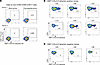 Figure 2
Generation of KMF11-specific HLA-E–restricted CD8 cell clones using an in vitro DC-differentiated T cell–priming assay. (A) KMF11-specific HLA-E–restricted CD8+ T cells were primed from healthy donor–derived PBMCs using a DC differentiation T cell–priming protocol (7, 26). Representative flowcharts indicate the KMF11/HLA-E tetramer staining of primed T cells where tetramers were conjugated with allophycocyanin or phycoerythrin fluorescence, with mock-primed (left) and peptide-primed (right) conditions shown. Double tetramer+ gates were set on CD56 and CD94 double-negative CD8+ T cells. (B and C) KMF11/HLA-E dual tetramer+ CD8+ T cells were sorted using a FACSAria sorter, then seeded at 0.4 cells per well and cultured with irradiated feeder cells (45 Gy) in complete media with PHA/IL-2 for 12 days. CD8+ T cell clones were identified if KMF11/HLA-E tetramer staining showed a distinct population (B) compared with other clones that showed no staining (examples in C).
In order to dissect the functionalities of KMF11-specific HLA-E–restricted CD8+ T cells, we generated KMF11-specific CD8+ T cell clones by FACS of tetramer-positive CD8+ T cells. Sorted cells were cultured at fewer than 0.4 cells per well in microwell plates with irradiated allogeneic feeder cells, phytohemagglutinin (PHA), and IL-2, as previously described (7). After 12 days, a total of 586 clones proliferated, and KMF11/HLA-E tetramer staining identified KMF11-specific T cell clones C02, C06, C07, C10, C26, and C27, with distinct HLA-E tetramer–staining patterns, as shown in Figure 2B, similar to our previous observation for SARS-CoV-2–specific T cell clones (7). The relatively low frequencies of tetramer staining of these cloned T cells likely reflects the low-affinity binding of their TCRs, similar to the patterns we have observed previously for other HLA-E–restricted peptide epitopes (7, 18). Several clones gave no distinct tetramer staining, suggesting they are probably bystander activated T cells, and these clones served as negative controls (Figure 2C).
TCRs for all positive and negative HLA-E-KMF11 binding and nonbinding clones, including those identified in Figure 2, were full-length sequenced using the SMART (Switching Mechanism at 5′ end of RNA Template) and 5′RACE (5′Rapid Amplification of cDNA Ends) technique. Each clone expressed a single TCRβ chain, and the nearly 100% sequence read identities confirmed that they were clonal expansions (Table 1). C07 expressed 2 TCRα chains.
The 6 clones C02, C06, C07, C10, C26, and C27 were further screened using specific monoclonal antibodies for expression of coreceptors that could possibly account for HLA-E-KMF11 tetramer binding: NKG2A/C, ILT-2, and ILT-4. None of the clones expressed these receptors, and none stained with HLA-E tetramers containing the VL9 peptide ligand of the NKG2A/C-CD94 receptors, indicating that KMF11 tetramer binding was specific to their TCRs (Supplemental Figure 1, A and B).
Antigen recognition of KMF11-specific HLA-E–restricted CD8+ T cells. For functional analysis of the CD8+ T cell clones, stable HLA-E-KF11 expression on antigen-presenting cells was required. The HLA-Ia–deficient K562 chronic myelogenous leukemia cell line was therefore transduced with the construct expressing an SCT of peptide-β2m-HLA-E*01:03 heavy chain, giving a relatively stable HLA-E–peptide complex. First, constructs with SCTs incorporating the KF11 and KMF11 peptides, β2m, and the HLA-E*01:03 heavy chain were produced. A K562 line transduced with a construct expressing the SARS-CoV-2 peptide VMPLSAPTL (ECOV2P1), a strong binder to HLA-E (7), was also generated as a negative control. The sequences of the constructs were verified by Sanger sequencing. The different HLA-E–expressing K562 cells (K562E_KF11, K562E_KMF11, and K562E_ECOV2P1) were enriched by FACS and further validated by HLA-E antibody (clone: 3D12) staining by flow cytometry (Supplemental Figure 2).
The functionality of the 6 KMF11-specific CD8+ T cell clones, C02, C06, C07, C10, C26, and C27, was measured by assessing expression of TNF-α, IFN-γ, CD107a/b, the activation molecule CD137, and inhibitory molecules programmed cell death 1 (PD-1) and cytotoxic T lymphocyte antigen 4 (CTLA-4) after coculture with K562E cell lines expressing different HLA-E–peptide SCTs. K562 cells expressing HLA-E only served as the mock control. Coculture with K562 cells expressing HLA-E only and K562E_ECOV2P1 cells stimulated very low levels of activation or cytokine release in the T cell clones, while HLA-E-KF11 and HLA-E-KMF11 upregulated expression of the activation markers (Figure 3A). The 6 selected T cell clones responded to both K562E_KMF11– and K562E_KF11–expressing antigen-presenting cells. Four of the clones showed elevated expression of CD137, whereas expression was low on C26 and clone C27 was negative. Clones C02, C07, and C10 produced relatively strong TNF-α and IFN-γ responses, though C02 gave similar responses to the ECOV2P1 negative control. CD107a/b expression was strongest on clones C02, C07, and C27 (Figure 3, B and C). All these clones expressed very low levels of PD-1 and CTLA-4 after stimulation (Figure 3, B and C).
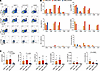 Figure 3
Functional characterization of HLA-E–restricted CD8+ T cell clones in response to antigen-presenting cells. (A) Representative flow cytometry plots of KMF11-primed clone C06, demonstrating cytokine production (TNF-α, IFN-γ), activation (CD137, CD107a/b), and inhibitory marker expression (PD-1, CTLA-4) after coculture with K562E_KF11, K562E_KMF11, and K562E_ECOV2P1 for an incubation period of 10 hours. HLA-E–expressing K562 cells (K562E cells) were included as negative controls. Intracellular cytokine staining of the above markers was performed after surface staining of Live/Dead Fixable Aqua viability dye, and anti-CD3 and anti-CD8 antibodies. Percentages of CD8+ T cells expressing the indicated markers are shown. (B) The expression of CD137, TNF-α, IFN-γ, CD107a/b, PD-1, and CTLA-4 for each CD8 clone in response to KF11-, KMF11-, and ECOV2-expressing K562E cells is shown. For normalization, the background of K562E control was subtracted from each antigen-specific condition. The y axis denotes the percentage of effector marker–positive CD8+ T cells, and the x axis denotes individual CD8+ T cell clones. (C) The expression of CD137, TNF-α, IFN-γ, CD107a/b, PD-1, and CTLA-4 expression in response to KF11-, KMF11-, and ECOV2P1-expressing K562E cells is noted in bar chart format. Friedman’s test was used to test significance. P values are indicated.
To summarize, the 6 clones gave low but significant responses when stimulated by K562 cells expressing single-chain HLA-E KF11 and KMF11 trimers. There was no significant difference between KF11 and KMF11, although as noted above, the tethering of peptide to HLA-E may mitigate the very low binding affinity of KF11 to HLA-E. Clones C07 and C02 gave the strongest responses; however, C02 showed cross-reactivity to the ECOV2P1 peptide–HLA-E complex specifically in relation to TNF-α and IFN-γ production.
Antigen-specific reduction of both KMF11- and KF11-SCT–expressing K562E cells by KMF11-specific HLA-E–restricted CD8+ T cells. We then sought to determine whether the CD8+ T cell clones could eliminate target K562E cells expressing KMF11, by establishing a flow-based assay where CD8+ T cell clones were cocultured with K562E_SCT–expressing target cells. In these cocultures, the target K562E_KMF11 SCT–expressing cells or the wild-type KF11 SCT–expressing target K562E_KF11 cells were prelabeled with CellTrace CFSE and subsequently mixed with both K562E_Mtb44 SCT–expressing cells (as a specificity control) and K562E (background control) cells at 1:1:1 ratio. If the clone is peptide specific, there should be fewer target cells remaining after coculture compared with K562E_Mtb44 SCT and K562E cells when compared with numbers of target cells in the incubations with the irrelevant CD8 clone control. Cocultures were conducted at effector-to-target (E/T) ratios of 1:1 and 5:1 (and 20:1 in the K562E_KF11 SCT/CD8 cocultures) using the previously identified 6 responsive CD8+ T cell clones (C02, C06, C07, C10, C26, C27) with 2 irrelevant ECOV2 CD8+ T cell clones as controls. After a 48-hour coculture period, the cells were collected, and flow cytometry was performed to gate viable CD3, CD8, and double-negative cells (K562E cells) for further quantification of the remaining percentage of K562E_KMF11 SCT– or KF11 SCT–expressing target cells (CFSE positive) (Supplemental Figure 3; shown for clone C26 in Figure 4A and clone C06 in Figure 4D, respectively). The inhibitory effect of KMF11-specific HLA-E–restricted CD8+ T cells, calculated as [1 – (% target cells with specific T clone/% target cells with irrelevant control T clone)] × 100], was used to test the specific reduction of target cells.
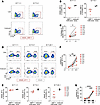 Figure 4
KMF11-specific HLA-E–restricted CD8+ T cells lyse antigen-expressing K562E cells. (A) K562E_KMF11 SCT cells (CellTrace CFSE-labeled) were mixed with control K562E cells and K562E_Mtb44 SCT–expressing cells at 1:1:1. These cells were cocultured with cloned KMF11-specific HLA-E–restricted CD8+ T cells for 48 hours at E/T ratios as shown, in duplicate. Flow plots of clone C26 and a control clone are shown, gating on viable CD3–CD8– cells, quantifying K562E_KMF11 target cells remaining, boxed in red. (B) Percentage of CFSE-positive K562E_KMF11 SCT cells after coculture with KMF11-specific CD8+ T cell clones (red symbols) or 2 irrelevant ECOV2 CD8+ T cell clones (gray dots) at E/T 1:1 and 5:1. (C) Reduction of KMF11 SCT–expressing cells by KMF11-specific, HLA-E–restricted CD8+ T cells, using the formula [1 – (% target cells with specific T clone/% target cells with irrelevant control T clone)] × 100 at E/T ratio of 5:1 compared with 1:1. Significance assessed using Wilcoxon’s signed-rank test. *P < 0.05. Each clone is denoted using different symbols. Two independent experiments were performed. (D) CellTrace CFSE–labeled K562E_KF11 SCT cells were mixed with K562E cells and then cocultured with KMF11-specific HLA-E–restricted CD8+ T cells for 48 hours, in duplicate, at E/T ratios shown. The percentage of K562_KF11 cells remaining is boxed in red. (E) The percentages of CFSE-positive K562E_KF11 SCT–expressing cells after coculture with KMF11-specific CD8+ T cell clones (red symbols) or 2 irrelevant ECOV2 CD8+ T cell clones (gray dots). (F) Increasing E/T ratios of 1:1 to 5:1 and 20:1 enhanced lysis of K562E-KF11 cells. Significance determined by 1-way ANOVA with Tukey’s multiple-comparison test. *P < 0.05, **P < 0.01. (G) Time-dependent inhibition of K562E_KF11–expressing cells by CD8+ T cell clones. Two irrelevant T cell clones were negative controls. Significance tested by 1-way ANOVA with Tukey’s multiple-comparison test. ***P = 0.0001, ****P < 0.0001. Two independent experiments were performed.
Initial coculture experiments using K562E_KMF11 SCT target cells revealed a modest reduction in target cells in the presence of KMF11-specific CD8+ T cell clones at both the E/T ratios of 1:1 and 5:1, while irrelevant ECOV2 CD8+ T cells showed minimal effect on target cell survival (Figure 4B). The reduction was dependent on a higher E/T ratio (*P < 0.05, Wilcoxon’s signed-rank test; Figure 4C). We next investigated whether KMF11-primed CD8+ T cell clones could cross-recognize and inhibit target cells expressing the WT KF11 peptide. In the coculture assay, we used K562E_KF11 SCT–expressing target cells at E/T ratios of 1:1, 5:1, and 20:1 (Supplemental Figure 3 and Figure 4D). After the 48-hour coculture, KMF11-specific CD8+ T cell clones mediated a modest reduction of K562E_KF11 SCT–positive target cells at an E/T 1:1 ratio (Figure 4E). The effect was enhanced at higher E/T ratios, with target cell percentages dropping to 8.9% (range: 4.7%–21.5%) at an E/T ratio of 20:1 (Figure 4E). Remarkably, 6 specific CD8+ T cell clones (C10, C06, C02, C26, C07, C27) exhibited particularly potent and significant incremental reduction of K562E_KF11 SCT–positive cells across all 3 ratios (*P < 0.05, **P < 0.01, 1-way ANOVA test followed by Tukey’s multiple-comparison test; Figure 4F). A subsequent time course assay performed at an E/T ratio of 20:1 for T cell clones C02, C06, C07, C10, and C26 with 2 irrelevant CD8+ T cell clones as negative controls demonstrated the progressive reduction of K562E_KF11 SCT–expressing cells by 5 KMF11-specific CD8+ T cell clones when tracked over time points of 6, 20, and 48 hours after coculture. This progressive pattern confirmed time-dependent inhibition (***P = 0.0001, ****P < 0.0001, 1-way ANOVA with Tukey’s multiple-comparison test; Figure 4G). Together, the data indicate that KMF11-specific HLA-E–restricted CD8+ T cells could eliminate target cells presenting the WT KF11 antigen as an SCT in a dose-dependent and time-dependent manner, also suggesting that relatively high E/T ratios and longer time interactions may be important.
Antiviral effect of KMF11-specific TCR-transduced primary CD8+ T cells. To assess whether the KMF11-specific TCRs confer antiviral recognition, we transduced TCRs into fresh CD8+ T cells. We chose the TCRα and -β chain sequences from 4 CD8+ T cell clones, C02, C10, C26, and C27, fused onto murine TCR constant regions (mTCRs). These products were introduced into lentiviral constructs and subsequently transduced into activated primary CD8+ T cells from healthy donors according to our established method (7). The TCRs transduced were KMF11-specific TCRs from clones C02, C10, C26, and C27 or an irrelevant HLA-E–restricted TCR specific for SARS-CoV-2 (1016 clone 1), which had demonstrated a suppressive effect on infected Calu-3 cells in our previous study (7). As a further positive control, we generated lentiviral expression constructs for the HLA-B*57:01–restricted KF11-specific TCRs from the Aga-a clone (21, 22) and also transduced this into fresh, activated CD8+ T cells. We demonstrated successful enrichment of mTCR-positive CD8+ T cells by FACS analysis, finding similar levels of TCR expression for each of the TCRs (Figure 5A).
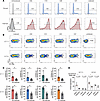 Figure 5
Antiviral effect of KMF11-specific TCR CD8+ T cell transductants against HIV-infected primary CD4+ T cells in a viral suppression assay. (A) KMF11-specific TCRs (C02, C10, C26, C27) and an irrelevant HLA-E–restricted TCR specific for a SARS-CoV-2–derived peptide were transduced into primary CD8+ T cells and then stained with anti-mouse Cβ antibody, anti-CD8/CD3, and Live/Dead Fixable Aqua Dead Cell Stain kit. Percentages of mTCR+ cells are indicated. Postenrichment staining of mTCR+CD8+ T cell transductants for each TCR is shown. Untransduced CD8+ T cells were included as controls. (B) CD8+ T cell transductants were cocultured with HIV-infected primary CD4+ T cells at E/T ratios of 1:1 and 5:1 for 5 days. Intracellular HIV Gag staining (KC57-FITC) was performed after surface staining with anti-CD8/CD3/CD4 and Live/Dead Fixable Aqua Dead Cell Stain kit. The percentages of HIV Gag expression in HIV-infected primary CD3+CD8– T cells were assessed. Uninfected CD4+ T cells and HIV-infected CD4+ T cells without effectors were included as negative and positive controls, respectively. (C) The suppressive effect of KMF11-specific TCR transductants against HIV-infected CD4+ T cells was assessed at E/T ratios of 1:1 and 5:1. Data are represented as median with 95% CI from 2 independent experiments (n = 4 donors). Statistical significance between KMF11 TCR transductants and irrelevant TCR controls was determined using the Mann-Whitney U test (*P < 0.05). (D) Suppression of HIV-infected CD4+ T cells by HLA-B*57:01–restricted TCR transductants (AGA1) was evaluated at E/T ratios of 1:1 and 5:1. Data are shown as mean ± SEM from 2 independent experiments. CD4+ T cell targets were derived from 6 donors, comprising 3 HLA-B*57:01–positive and 3 HLA-B*57:01–negative individuals. Each donor is represented by a distinct colored circle. Statistical comparisons between AGA1 TCR transductants and irrelevant TCR controls were performed using a 2-tailed paired t test.
We next questioned the capacity of primary CD8+ T cells transduced with these TCRs to suppress HIV-1 replication in vitro. Replication-competent VSV-G pseudotyped HIV NL4-3 virus was used to infect previously activated, primary CD4+ T cells from healthy donors. KMF11-specific or control TCR CD8+ T cell transductants were then cocultured with these HIV-infected primary CD4+ T cells for 5 days at E/T ratios of 1:1 and 5:1. Using flow cytometry, the proportion of HIV-1 Gag-positive cells in the viable CD3+CD8– T cell population was gated and analyzed to reveal the suppressive effect at both E/T ratios for the TCRs (Supplemental Figure 4 and Figure 5B). Notably, 4 KMF11-HLA-E–specific TCR transductants (C02, C10, C26, C27) mediated significantly greater suppression of HIV-infected CD4+ T cells when compared with the irrelevant, SARS-CoV-2–specific TCR control (Figure 5C). At an E/T ratio of 1:1, the median suppression mediated by these transductants ranged from 30% to 45% compared with 16% for the irrelevant controls. This enhanced suppression was more pronounced at an E/T ratio of 5:1, with medians of 75% to 91% versus 45% for the controls (Figure 5C). The relatively high backgrounds with the control SARS-CoV-2–specific TCR-transduced CD8+ T cells likely reflected cytokine production resulting from their activation and expansion, likely causing nonspecific killing of HIV-infected cells.
To benchmark the findings, we evaluated a canonical HLA-B*57:01–restricted TCR, AGA1, that we previously reported (27, 28). Using pseudo-typed HIV NL4-3–infected CD4+ T cells from 3 HLA-B*57:01–positive donors and 3 negative donors, we confirmed that AGA1 specifically targeted HLA-matched cells. This TCR exhibited significant antiviral activity against HLA-B*57:01–positive targets at E/T ratios of 1:1 and 5:1, despite some background at E/T 5:1, while showing no effect against HLA-B*57:01–negative cells, thereby confirming HLA restriction (Figure 5D). The 4 HLA-E–restricted TCR transductants consistently suppressed target cells from all 6 donors (Supplemental Figure 5), confirming the reproducibility of the viral suppression assay. The data illustrate the difference between classically HLA-restricted T cells and the universality of HLA-E–restricted T cells (Figure 5C). Collectively, the result indicates that KMF11-stimulated, KF11-reactive TCR CD8 transductants efficiently suppress HIV-infected primary CD4+ T cells in a dose-dependent manner.


